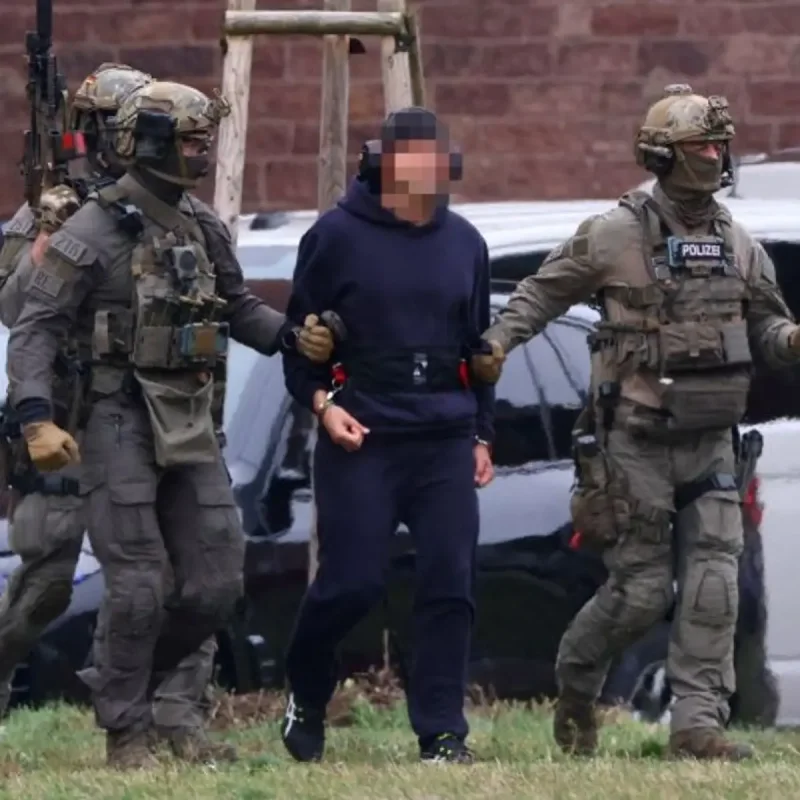
A Ukrainian former military officer identified as Serhii K. began trial Wednesday at the Hamburg Higher Regional Court in Germany.
Prosecutors accuse the 50-year-old of organizing the 2022 sabotage that damaged Nord Stream gas pipelines in the Baltic Sea to cut Russia-linked energy supplies to Europe.
He is the first person to face a public hearing over evidence from the investigation and denies involvement.
Prosecutors allege Serhii K.
led a team of divers, a boat captain and an explosives expert, working with other Ukrainian military personnel on behalf of unidentified Ukrainian state entities.
They say the operation targeted civilian infrastructure and could constitute a war crime.
Legal Basis and Evidence
Prosecutors said the case falls within Germany's jurisdiction after the Federal Court of Justice ruled in January 2025 that the investigation involved national security concerns.
They allege evidence from a yacht rented in Rostock included explosive traces.
German investigators said samples taken from the boat contained evidence connected to the underwater operation.
"Traces of subsea explosives were found in the samples taken from the boat," German prosecutors said.
The blasts on September 26, 2022, ruptured three of four pipelines near Denmark's Bornholm island.
Nord Stream 1 had supplied about half of Germany's natural gas imports, while Nord Stream 2 had been built but never opened after Berlin halted approval before Russia's invasion of Ukraine.
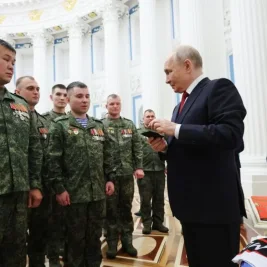
Russian President Vladimir Putin rejected accusations against Moscow and blamed outside actors after the explosions.
"The Anglo-Saxons" was the phrase used by Vladimir Putin when assigning blame, according to BBC reporting.
German authorities later focused on a group of divers who allegedly used the yacht Andromeda to reach the area of the pipelines.
The investigation continued despite diplomatic sensitivity between Berlin and Kyiv.
German prosecutors described the legal basis of the case by referring to damage that they said involved "undermining [Germany's] internal security" in the Federal Court of Justice ruling.
They also argued the attack involved "as a war crime" under Germany's code of crimes against international law.
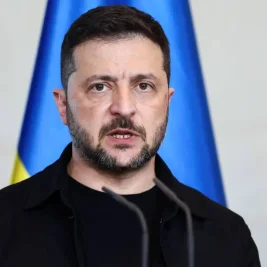
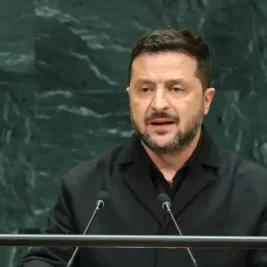
Ukrainian President Volodymyr Zelensky has repeatedly denied that Ukraine was involved in the explosions.
"Nothing to do with [the Nord Stream blasts]" was Zelensky's description of Ukraine's position, according to BBC reporting.
Ukrainian lawmaker Oleksandr Merezhko said Kyiv had not confirmed Germany's version of events and viewed it as one possible explanation during wartime.
"It's one of the versions," Merezhko, chair of Ukraine's Foreign Affairs Committee, said.
German Council on Foreign Relations expert Stefan Meister said Berlin had attempted to keep the judicial process separate from political disputes.
"They tried to make not a big story out of it, not to give it too much attention, to give it to the institutions, to the judiciary that they will deal with it.
This is not a political case. So they tried to depoliticise it," Stefan Meister said.
Relations between Germany and Ukraine have faced pressure from the case, although Merezhko said he did not expect it to end Germany's support for Kyiv.
"It's in the best national interests of Germany to continue to support us," Oleksandr Merezhko said.
Another Ukrainian man, Volodymyr Z.
, who prosecutors identify as a diver involved in the operation, was approved for extradition from Croatia to Germany after earlier legal proceedings in Poland.
A Polish court had previously released him after ruling the alleged action could be viewed differently during the war, describing an armed mission as "justified, rational and just" if Ukraine had organized it.
Russia later said it expected a "just verdict" naming those responsible for the operation and those who ordered it.