Six years after the nation's so-called "racial reckoning," Black America faces a comprehensive assault from the highest levels of government.
The president has, since re-inauguration, framed white people as the true victims of discrimination and rolled back diversity initiatives.
The administration also plans to admit 10,000 white South Africans as an "emergency response," costing taxpayers roughly $100 million.
The Supreme Court gutted the Voting Rights Act of 1965, arguing that protecting Black voting rights is discriminatory.
State and federal legislative branches are pursuing massive redistricting efforts that threaten to erase Black political representation won over decades.
Corporations have followed suit, reducing hiring initiatives for Black professionals. From sports to education, anti-Black hostility is as bold as it has been in 75 years.
NAACP Targets SEC
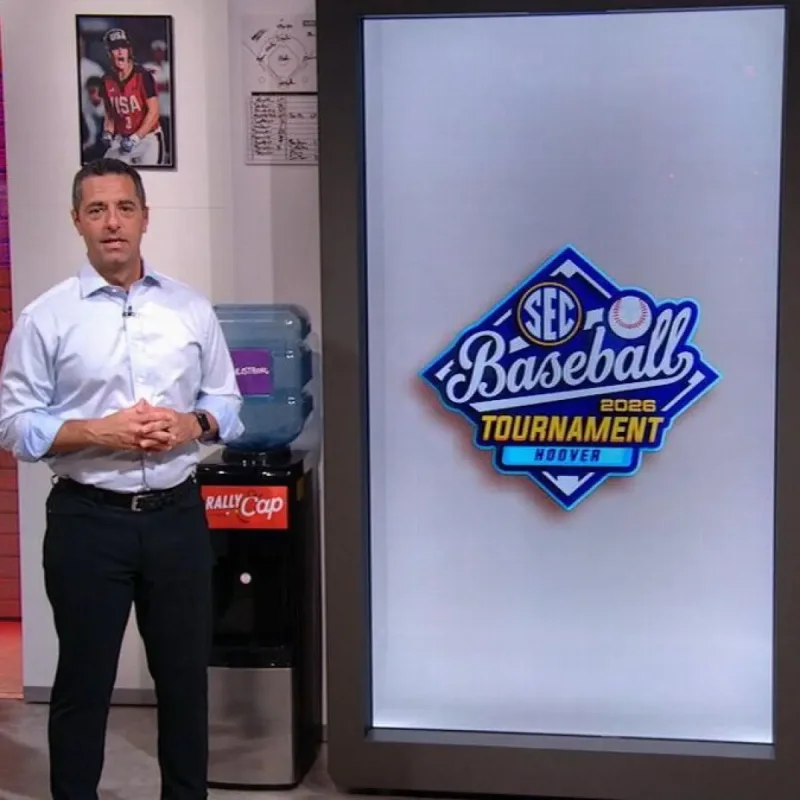
The NAACP has turned to sports, calling for Black athletes to boycott public universities in the Southeastern Conference (SEC), the most powerful football conference and a major incubator of Black athletic talent.
The organization is betting that Black Americans will recognize the urgency and that parents of these athletes will join the fight.
Black people make up 14% of the population but are a far larger share of American culture.
The Black athlete is the most successful and visible Black employee the country has produced. A sustained, coordinated movement could profoundly affect sports and politics.
The sports industry is betting on apathy, hoping athletes believe they are powerless. But history shows boycotts work.
In 2015, University of Missouri football players threatened to boycott, leading to the ouster of the school's president.
In the 1960s, an exodus of Black talent forced southern universities to integrate.
Today, Black athletes have more power than ever.
Name, image, and likeness (NIL) deals allow compensation, and the transfer portal lets them change schools without sitting out a year.
A boycott of the SEC—which includes Florida, Louisiana, South Carolina, Alabama, Tennessee, and Texas—would have immediate impact.
The NFL, whose workforce is roughly 70% Black, recently awarded Tennessee the 2030 Super Bowl.
Black players could flex political muscle by making themselves available to northern, midwestern, and west coast powerhouses.
The NAACP action is a reminder that Black athletes have power if they choose to use it.
They are inextricably linked to the future of Black America through the economic profits they generate and their cultural cachet.
As an economic bloc, they can shift the fortunes of the institutions they inhabit.