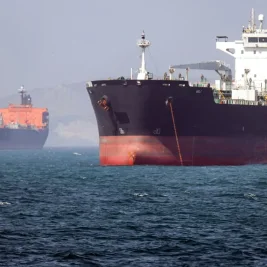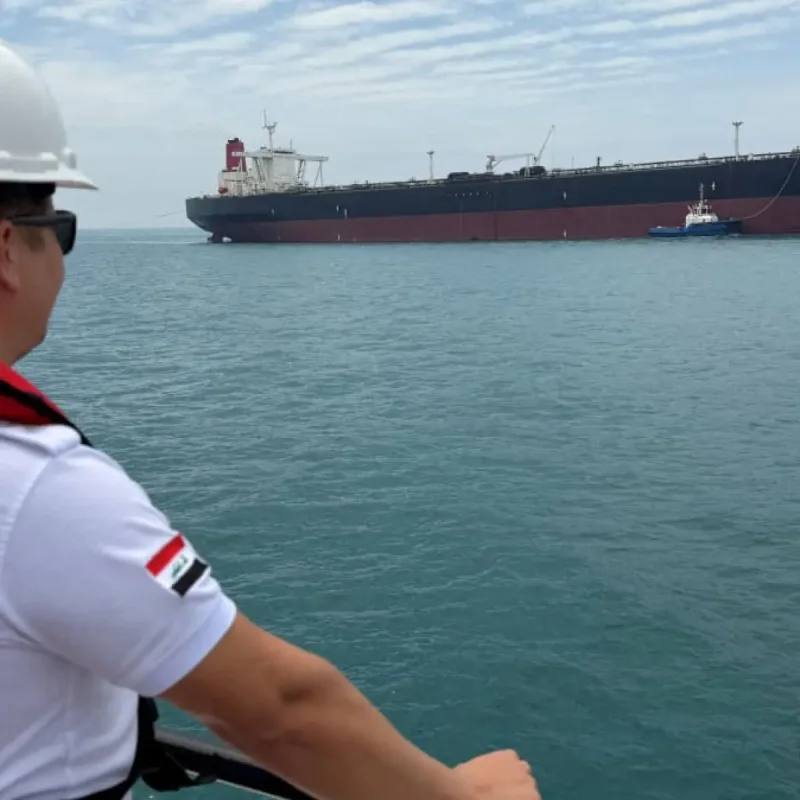
Global oil prices surged on Tuesday morning following reports of an Iranian missile strike targeting commercial ships in the Strait of Hormuz.
International benchmark Brent crude futures for September delivery climbed 1.5% to $73.09 per barrel during early trading.
U. S.
West Texas Intermediate futures for August delivery also rose 1.5% to $69.56 per barrel, recovering from their lowest closing level since late February.
According to a report from Axios citing two anonymous U. S.
officials, Iranian forces launched at least two missiles at commercial vessels on Monday evening.
One official said the ships sustained significant structural damage, but no casualties were reported. CNBC noted it could not independently verify the intelligence report.
The United Kingdom Maritime Trade Operations Centre logged an emergency incident eight nautical miles east of Limah, Oman on Monday.
A southbound commercial tanker caught fire after being struck by an unidentified projectile, though no crew members were injured.
The Strait of Hormuz accommodates roughly 20% of global petroleum traffic, making energy markets highly sensitive to security disruptions.
The renewed hostilities occurred just weeks after Washington and Tehran signed a memorandum of understanding to conclude a four-month conflict.
Indirect diplomatic discussions collapsed last week without a permanent peace framework.
U. S.
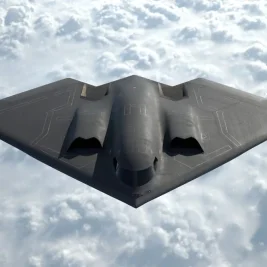
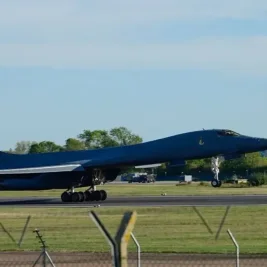
President Donald Trump addressed the stalemate on Monday, warning of potential military escalation against Iran.
"Finish the job," Trump stated, adding that the two nations would either negotiate a comprehensive deal or face direct American military action.
Financial analysts noted the volatile corridor threatens economic interests for both nations ahead of critical domestic political timelines.
"The situation around the Strait of Hormuz remains unsettled.
But as we have argued since March, both sides should ultimately have an interest in containing the conflict," said Holger Schmieding, chief economist at Berenberg.
Schmieding highlighted conflicting domestic priorities: "Ahead of the mid-term elections to Congress on 3 November, US President Donald Trump wants low oil prices whereas the Revolutionary Guards in Tehran covet the money from potential sanctions relief."