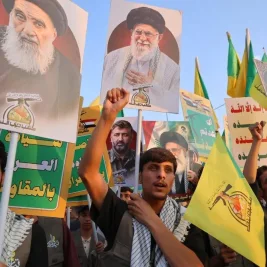
The United States military launched retaliatory strikes against 85 Iranian-allied sites in the Middle East on Tuesday, July 7, 2026, following attacks on three commercial vessels near the Strait of Hormuz.
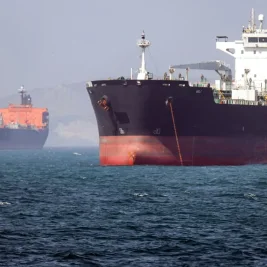
The strikes came after a liquefied natural gas tanker, an oil supertanker, and a third unspecified vessel were targeted near the Oman coast, according to reports from CNBC and Fortune.
The Joint Maritime Information Center confirmed the attacks, which sparked global economic anxieties and a surge in oil prices.
Retaliatory Actions
In response, the U. S.
Office of Foreign Assets Control revoked Iran's oil sales authorization under the interim ceasefire agreement.
"U. S.
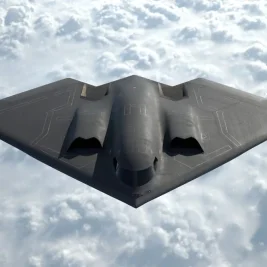
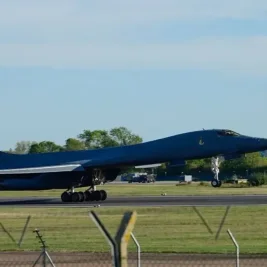
Central Command forces have begun launching a series of powerful strikes against Iran to impose heavy costs for targeting and attacking commercial shipping crewed by innocent civilians in an international waterway," stated the U.
S. military.
The military operations aimed to address the immediate maritime threat and re-establish deterrence in the critical international shipping lane.
"The U. S.
strikes are in response to Iranian attacks on three commercial vessels that were transiting the Strait of Hormuz.
Iran’s demonstrated aggression was unwarranted, dangerous, and a clear violation of the ceasefire," the command announcement continued.
An anonymous American representative emphasized that Washington would not tolerate disruptions to maritime trade or regional stability.
"Iran's actions in the Strait were wholly unacceptable to the United States and will be met with consequences," said a U.
S. official to CNBC.
Fears that the crucial shipping corridor would close again intensified following the military response.