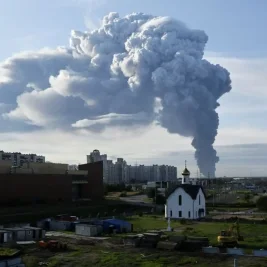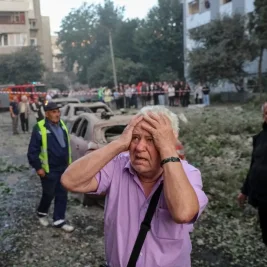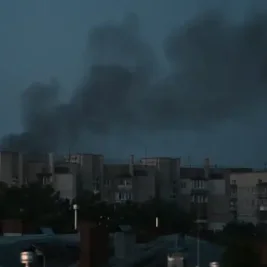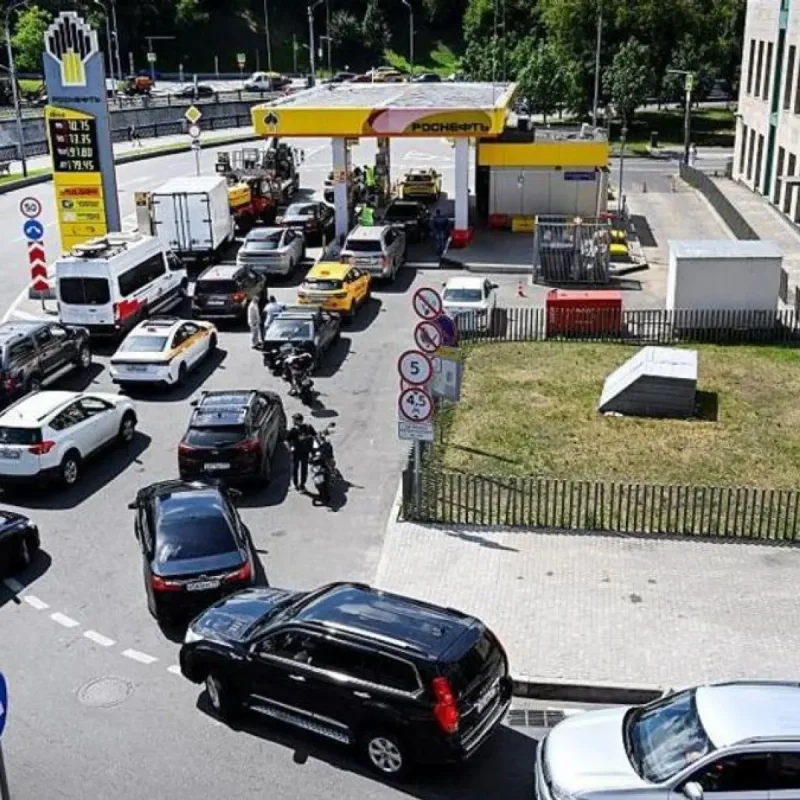
Persistent Ukrainian drone strikes on Russian energy infrastructure have ignited nationwide fuel shortages, exacerbating mounting economic distress and talk of recession across Russia in 2026 as the war of attrition drags on.
Surging military expenditure and full industrial capacity forced Moscow to shrink its civilian economy through aggressive fiscal measures, according to report findings from The Conversation.
Value-added tax rose from 20% to 22% in January 2026, alongside higher taxes on small and medium-sized enterprises.
Fuel Shortages and Economic Measures
Though fuel shortages starting in June 2026 marked the first major domestic crisis for ordinary citizens, experts note the Russian state retains sufficient tools to prevent regime collapse.
Central bank interest rates dropped to 14.25% by June from 21% in 2024, giving authorities room to devalue the rouble or utilize boosted oil revenues to maintain stability.
Political control has simultaneously tightened since 2022, preventing the type of elite fracture seen during the Soviet Union's dissolution.
Opposition figures remain imprisoned or exiled, while security agencies, military leaders, and domestic business elites rely heavily on current regime stability.
Meanwhile, Ukraine faces severe challenges of its own despite tactical successes. Following the halt of U.
S.
funding under President Donald Trump in 2025, the European Union stepped in to provide €90 billion over two years, though Ukrainian energy infrastructure remains severely damaged by years of Russian strikes.
Key military supplies are also diminishing, with Ukraine's stock of U. S.
Patriot missile defense systems running low amid global shortages linked to the Iran war. President Volodymyr Zelensky requested a license from the U.
S. to manufacture interceptor missiles domestically to help counter ongoing Russian missile attacks against major Ukrainian cities.