Without investment in employment and services, the report warns, prospects for rebuilding people's lives are poor.
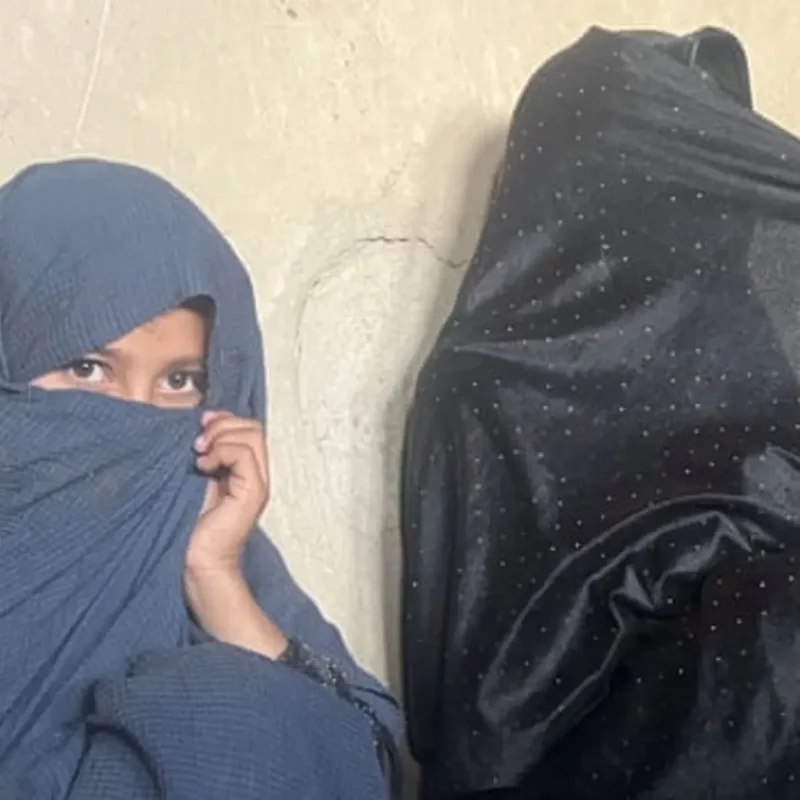
The other three families interviewed, all in western Afghanistan, say their daughters had been used to settle debts – money paid in advance, the daughters to be handed over later.
Three of the girls are still under 10, unaware of the future that has been planned for them.
Golnar, 57, holds her one-year-old granddaughter in her arms as she speaks. The girl was sold to settle her father's debt, she says, after he fled creditors.
They had no food to eat.
The sale, explicitly for future marriage, was for 200,000 afghani in cash and the clearing of some debts.
"When she turns eight, they will take her from us," says Golnar, grandmother.
"They gave 100,000 afghani upfront, and they will give another 100,000 after they take the girl from me.
We gave it directly to the creditors for the debts," says Golnar, describing the transaction.
She worries about her granddaughter's future, remembering girls sold years ago in her neighbourhood: "They have no future.
Whether they leave us to burn in a fire or face anything else, we will not know," says Golnar, expressing her grief.
Saheb Jan, 51, pledged away her granddaughter at two months old to settle a debt, with a promise to hand her over at the age of seven.
Jan is comforted that they at least know the buyer, but upset that no cash changed hands and their hunger continues.