That policy strategy has to sit alongside a political one. Starmer alienated much of his own party by following a gameplan devised by McSweeney.
Its target were “hero” voters, often in red wall seats, including those who had voted leave in 2016 and gone on to back Farage.
McSweeney's approach rested on a crucial fallacy, one that was exposed yet again by national and local elections in May.
Yes, Labour lost seats to Reform, but that did not come about because of a mass defection of Labour votes to Reform.
Rather it was the result of the defection of previously Labour voters to other parties, whether Greens, nationalists or Lib Dems.
With the anti-Reform vote fragmented, Reform was able to come through and win.
As Prof Rob Ford points out, the most vivid proof of the phenomenon, albeit in reverse, is one Burnham knows well.
At the Makerfield byelection, Ford told me, the growth in Labour's vote was “almost identical” to the decline in the combined vote for Greens and the Lib Dems.
Burnham's achievement in Makerfield was less about winning back the Farage-curious, though Burnham may have won some of those, and more about uniting the anti-Farage camp.
What's more, polling shows Labour voters who moved to the Greens or the Lib Dems are much more open to coming back than are defectors to Reform.
They're lower-hanging fruit.
Whereas, says Ford, a Labour strategy focused on the vanishingly small number of Reform voters willing to give Labour another look is a strategy focused on “a mythical species”, one that will remain forever out of reach.
The ideal is a programme of broad appeal, crossing the culture war battle lines that tend to separate, say, Green and Reform voters.
Burnham may have been hinting at that when he said he won't try to “out-Green the Greens or out-Reform Reform” but will instead be “distinctively Labour”.
Such a path would concentrate on those issues – public services, the cost of living – that trouble everyone, rather than questions bound to alienate and divide.
Easier said than done, of course.
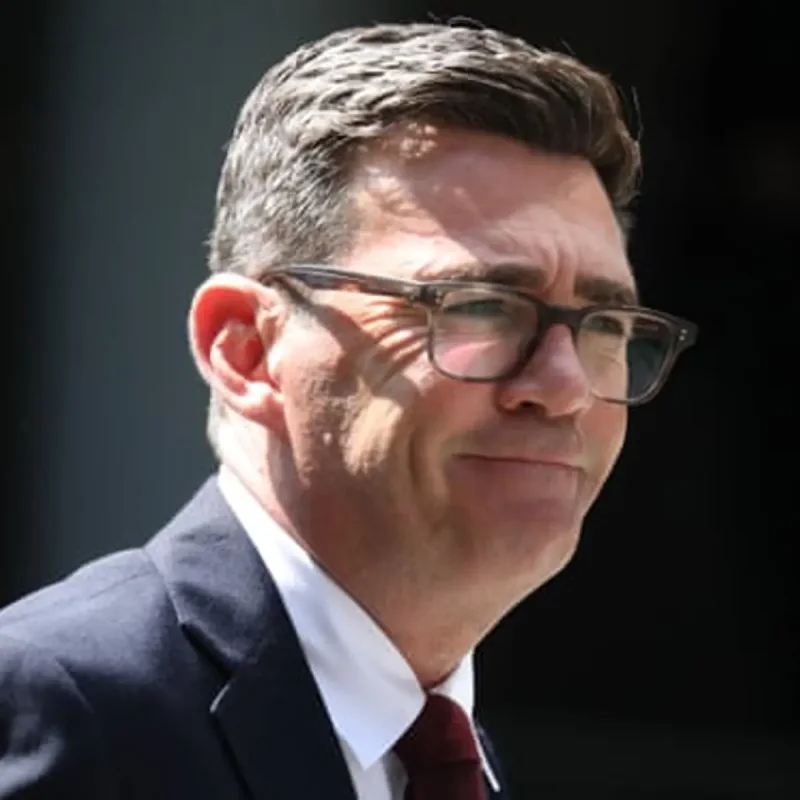
Andy Burnham is about to take on a perilously difficult job, one that has felled so many others.
He says he is ready. For the country's sake, we have to hope he is right.