The United States paused its air bombardment against Iran on July 24, 2026, after nearly two weeks of military escalation, aiming to create room for diplomatic negotiations amid rising regional threats.
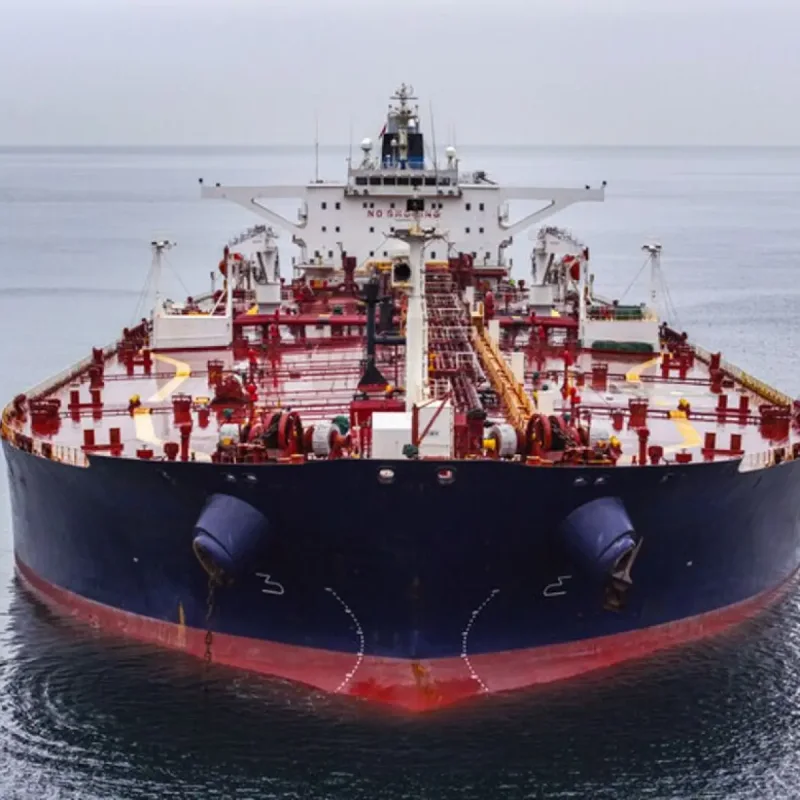
Despite the temporary halt in direct strikes, the Strait of Hormuz remains closed to international shipping.
>>> South Korea Raises Heat Wave Alert to Severe as Mercury Hits 39.2°C
Iran's state broadcaster reported that six vessels attempted to navigate an unauthorized southern route on July 27, resulting in an unspecified accident involving one ship while others were turned back.
The military pause coincided with a roughly 4 percent drop in global crude oil prices, which had previously surged over 20 percent above $100 per barrel.
Diplomatic Efforts Underway
US Ambassador to the United Nations Mike Waltz confirmed that diplomatic discussions are actively ongoing between the involved nations.
"What the president is doing right now, as we’ve seen all along, is giving some talks some space," Waltz said.
"Talks are ongoing."
Iranian army spokesman Mohammad Akraminia stated, "Our strategy has essentially been retaliatory. We have also halted our retaliatory operations."
The operational pause aims to give diplomatic channels an opportunity to resolve the maritime standstill and broader conflict conditions.
Concurrently, cross-regional tensions broadened to the Caspian Sea after Ukrainian forces targeted an Iranian vessel carrying military supplies linked to Russia.
The attack resulted in one death and one injury.
Iranian Foreign Minister Abbas Araghchi condemned the operation as a hostile act that "cannot go unanswered." He also criticized Ukrainian leadership, calling Ukraine a "freeloader."