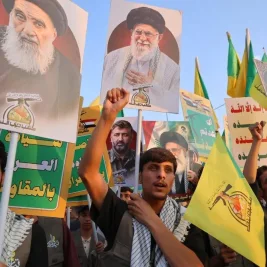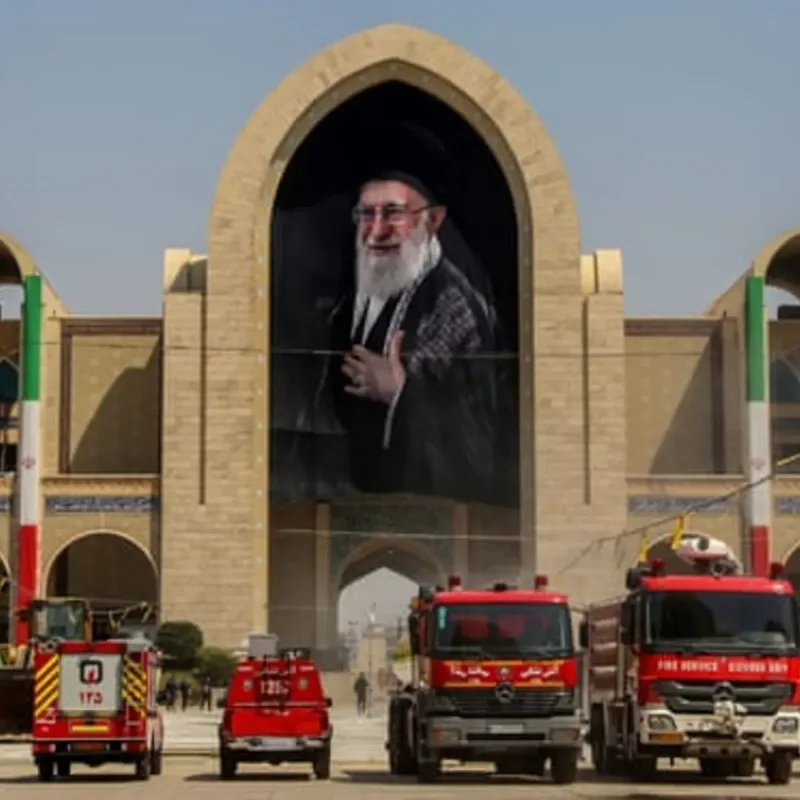
Millions of Iranians are expected to attend a six-day funeral ceremony for the late Supreme Leader Ali Khamenei, beginning Saturday in Tehran and concluding Thursday in Mashhad.
The event is designed to project national resilience following his death during US-Israeli military strikes in February.
First Vice-President Mohammad Reza Aref, serving as lead funeral organizer, described the multi-city procession as a highly significant event for the country.
The former leader's body will also travel through the Iraqi Shia cities of Karbala and Najaf at the request of Iraqi politicians.
Security measures remain elevated due to crowd control challenges and potential terrorism risks.
Officials ordered government and private offices closed from Saturday to Monday, while municipal leaders implemented airspace closures and strict traffic restrictions.
The scheduled public ceremonies coincide with Muharram, the first month of the Islamic calendar, drawing parallels to historical Shia symbols of defiance.
Organizers placed promotional materials emphasizing national unity alongside religious messaging throughout the capital.
Mohammad Reza Aref characterized the ceremony as "the most important event of this century" and the most attended since the 1979 revolution.
The scale of the funeral aims to communicate political messages globally while the nation navigates leadership transitions.
Khamenei's successor and son, Mojtaba Khamenei, remains absent from public view following severe injuries sustained during the same February airstrike that killed multiple family members.
International Delegations and Statements
Organizers confirmed that approximately 30 nations will send representatives to the Friday proceedings, though Western officials were excluded from the invitations.
Foreign ministry officials criticized European nations for their diplomatic stances regarding the initial attacks on Iranian territory.
"We must rise up and convey the nation's call for bloodshed to the world so that the world knows that the honourable and noble nation of Iran will not remain silent in the face of oppression and arrogance," stated Mohammad Bagher Ghalibaf, Iran's chief negotiator and speaker of the suspended parliament.
Following the initial services at Tehran's Grand Mosalla mosque, the coffin will travel to Qom on Tuesday before moving to Iraq.
The final burial is scheduled for Thursday at the Imam Reza shrine in Mashhad, Khamenei's birthplace.