A parasitic outbreak in Michigan has surged to nearly 700 confirmed cases as of July 6, 2026, a fourfold increase from about 170 cases reported less than a week earlier.
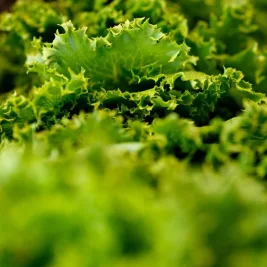
State health authorities are focusing their investigation on contaminated fresh produce distributed across multiple counties, including Lenawee, Washtenaw, Wayne, Shiawassee, Jackson, Oakland, and Livingston.
Investigation Challenges
Dr. Natasha Bagdasarian, Michigan's chief medical executive, said the high number of cases has complicated contact tracing efforts to pinpoint the exact source of the parasite.
“So we have 700 people who need to be interviewed, which makes things significantly more complicated.
But I can tell you that our main hypothesis right now is contaminated produce,” Bagdasarian said.
Investigators are searching for specific brands or types of produce, but the complex structure of commercial supply chains poses significant challenges.
“There is food that is grown in one state, that is packaged and processed in another state, and then sent out to a variety of states,” Bagdasarian explained.
Symptoms and Patient Experience
Infected individuals experience severe symptoms, including explosive and frequent watery diarrhea, along with extreme abdominal cramping that can appear up to two weeks after exposure.
Haley Hompstead, a Monroe County resident who contracted the parasite, described the sudden onset of her illness.
“The morning of the 3rd, I got woken up at about seven in the morning with the most, like, excruciating abdominal pain I’ve ever had,” Hompstead said.
She lost approximately 10 pounds shortly after symptoms began and now fears eating any food due to intense discomfort.
“I’m scared to eat, because the minute that anything hits your stomach, it doesn’t matter if it’s plain rice or a good hearty meal you are in so much pain,” she said.
At a local emergency room, Hompstead noticed other patients with identical symptoms linked to the same infection.
As a college student on a limited income, she expressed frustration over the debilitating weakness and fatigue.
“I am a low-income person. I am a college student, you can’t just stop your life.
But I am exhausted, and I’m weak,” Hompstead said.
She typically cooks her vegetables but recalled eating a bagged broccoli and coleslaw mix along with fresh strawberries as her only recent raw food sources.
“I’m really good at cleaning my produce, I just don’t think I did it well enough,” she added.
Prevention Advice
To reduce transmission risks, the Michigan Department of Health and Human Services advises consumers to wash produce thoroughly, discard outer lettuce layers, and heat cookable items to at least 158 degrees Fahrenheit to neutralize the parasite.