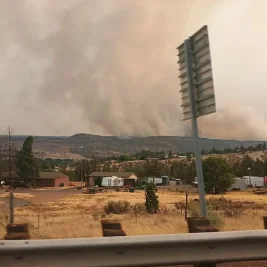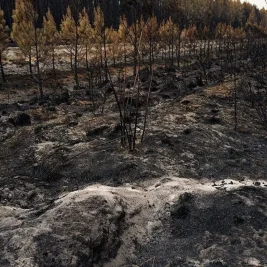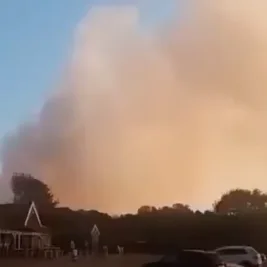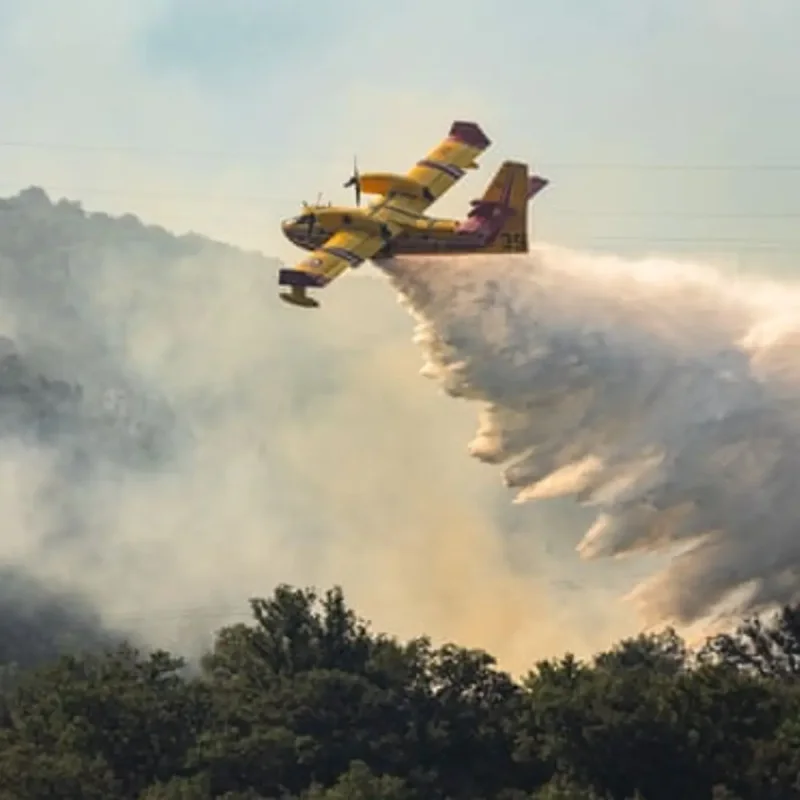
Devastating wildfires have destroyed large areas of land in western Europe following severe heatwaves.
As reported by The Guardian, rampant blazes burned 28,000 hectares in France and 50,000 hectares in Spain as of July 1.
The charred land area has more than doubled the seasonal average for this time of year.
Scientists note that bigger fires have continued to blacken even more land in the subsequent week.
Researchers discovered that the record-breaking heat scorching Europe in June would have been virtually impossible without climate shifts caused by fossil fuels.
Daytime highs are now ten times more likely than two decades ago.
Experts are analyzing whether heavy early rains also contributed to the intense fires.
Wet winter and spring seasons in Spain stimulated plant growth, leaving surface soil moisture above the seasonal average from March to May.
Wet Spring and Hot Summer Fuel Fires
"If a period of active vegetation growth is followed by a period of drought and heat, vegetation becomes stressed and transforms into flammable wildfire fuel," said Julia Miller, a climate scientist at the WSL Institute for Snow and Avalanche Research SLF.
When consecutive heatwaves struck western Europe in late May and late June, the surplus vegetation dried out rapidly.
This combination of a wet spring and hot summer mirrors the factors behind the record-breaking wildfire season last year.
"In most parts of Europe, there is enough vegetation to burn," Miller said. "The critical question is when that vegetation becomes dry enough to burn."
Southern Europe faces unique structural challenges, including overgrown vegetation in rural villages.
This issue has worsened as young people migrate to urban areas for work, leading to abandoned farmlands.
Last year, the European Academies Science Advisory Council criticized European Union policies for focusing too heavily on suppressing fires after they break out.
The council urged better landscape planning and stronger land management efforts.
"Climate itself cannot provoke fires if there is no plant fuel, so fuel availability driven by absence of land management is a critical factor underlying extreme fires," said Fernando Pulido Díaz, a fire prevention scientist at the University of Extremadura.
Pulido Díaz added that while the issue has been debated in many forums, there is a general lack of practical implementation beyond local pilot projects.
The European Parliament voted to release 120.55 million euros from its solidarity fund to help Spain recover from last year's destructive fires.
Additional funds totaling 23.55 million euros were approved for Romania and Cyprus.
Fossil fuel pollution and environmental destruction have caused Europe to heat up about twice as fast as the global average.
EU science advisers previously warned that climate adaptation efforts are insufficient and coming too late.
"I see wildfires breaking records in Europe almost every year," Miller said.
"Wildfire preparedness and management is becoming increasingly important, but at the same time, we need to reduce greenhouse gas emissions to address the root cause of the emerging wildfire crisis."