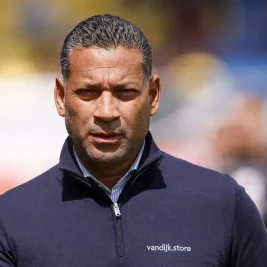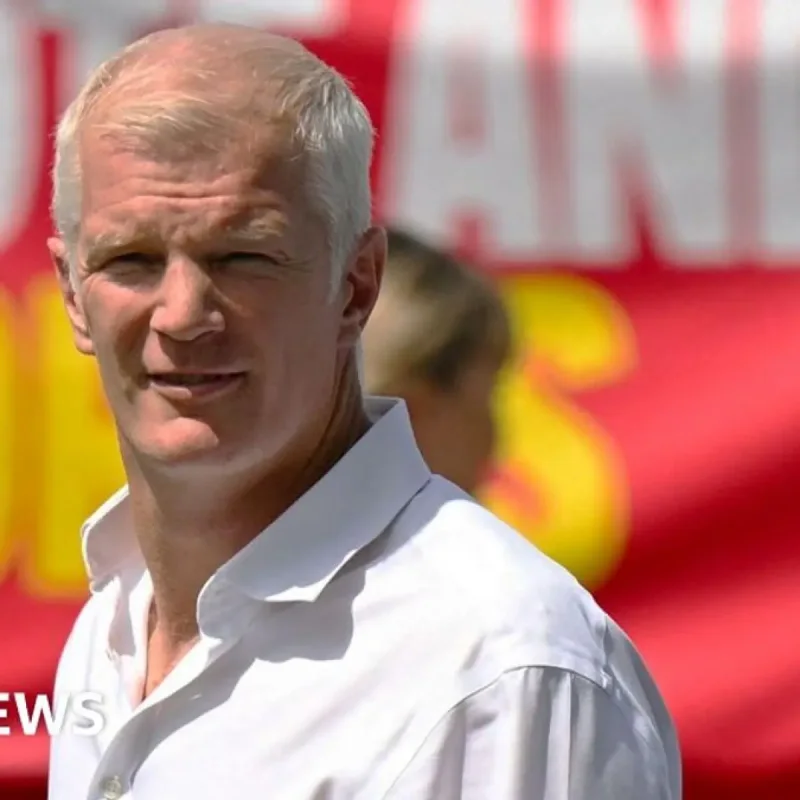
Former Defence Minister Al Carns withdrew from the UK Labour leadership race on July 8, 2026, clearing the path for Makerfield MP Andy Burnham to become the next prime minister following Sir Keir Starmer's recent resignation.
The nomination process officially commenced on Thursday morning at the Parliamentary Labour Party offices in Westminster.
Candidates require backing from 20 percent of Labour lawmakers, translating to 81 nominations, alongside support from socialist societies, unions, or local constituency parties.
Conservative Party Chairman Kevin Hollinrake criticized the transition timeline, labeling the current administration a sluggish operation due to the week-long process before Burnham takes power.
He argued that the multi-day nomination window unnecessarily delays stable governance.
"It is clear Andy Burnham's coronation is already confirmed, yet this zombie government is still dragging on for another week," Hollinrake said.
He urged the incoming administration to shift its focus immediately to pressing national policy matters, stating, "Labour should stop wasting time and get on with setting out how the new prime minister will fund defence and cut welfare."
Al Carns, who previously hesitated to support Burnham without seeing detailed government plans, urged unity behind the sole remaining candidate after a private discussion on Tuesday.
He emphasized that a prolonged internal battle would damage the party's efficiency.
"The division that it would cause if we end up having an internal bloodletting sort of fight over the next three months, given the geopolitical events that we have ongoing, this isn't the best use of our time," Carns said.
He expressed confidence in Burnham's leadership abilities based on his legislative track record, adding, "Andy's done a good job with Manchester, he's done a great job during Covid, he's seen the Manchester Arena attack and dealt with that very effectively, and the economic trajectory of Manchester's in a positive way."
Carns noted that these regional successes could scale effectively to national governance.
"If we can do that at the local, the regional level, and the national level, I think that's hitting the right place," he said.
He also implored colleagues to align their efforts for the upcoming legislative term, saying, "get on the boat and row in the same direction."
Meanwhile, the vacancy arose after Sir Keir Starmer stepped down, citing a need to assess his position ahead of future electoral cycles.
"I am best placed to lead us into the next general election," Starmer stated.
Supporters of the incoming leader expressed high optimism regarding the total number of parliamentary endorsements he will secure by the deadline.
"There will be a high number and a great showing, I'm sure," said an anonymous Burnham supporter.
Concurrently, 88 Labour lawmakers backed a legislative amendment pushing for a national commission on voting system adjustments.
Labour lawmaker Alex Sobel, who introduced the cross-party amendment, highlighted its significant legislative momentum.
"My amendment to establish a national commission on electoral reform is now the most-supported amendment this Parliament, with 166 signatories from eight parties, half of whom are Labour," Sobel said.
Sobel added that public and political appetite for structural change remains high as the government transitions.
"MPs still have five days left to sign and it's clear with the change of government coming that the commission is not just a clear signal to break the status quo, but hugely popular with both MPs and the public," he stated.
Milton Keynes North representative Chris Curtis pointed out that voting reform aligns with Burnham's historical political platform.
"Andy has consistently made the case for PR [proportional representation], starting with a national commission," Curtis said.
He noted that parliamentary demand for the reform has grown faster than initially anticipated.
"I think he was half-expecting to have a job on his hands persuading MPs to come with him on that – but it's the PLP that's now clamouring for the Government to get a grip on this issue," Curtis explained.
He characterized the policy shift as an easily achievable victory for the new administration.
"You don't have to be Harry Kane to see what an open goal this is for him," Curtis remarked.
He suggested a timeline for implementing the commission alongside other economic priorities: "He should launch a commission in his first 100 days, so he can focus on his other priorities, and bringing growth and hope to Britain."
The nomination period closes next week, with Burnham expected to be officially named Labour leader on July 17 and prime minister on July 20.