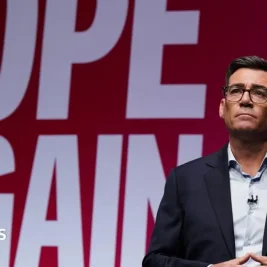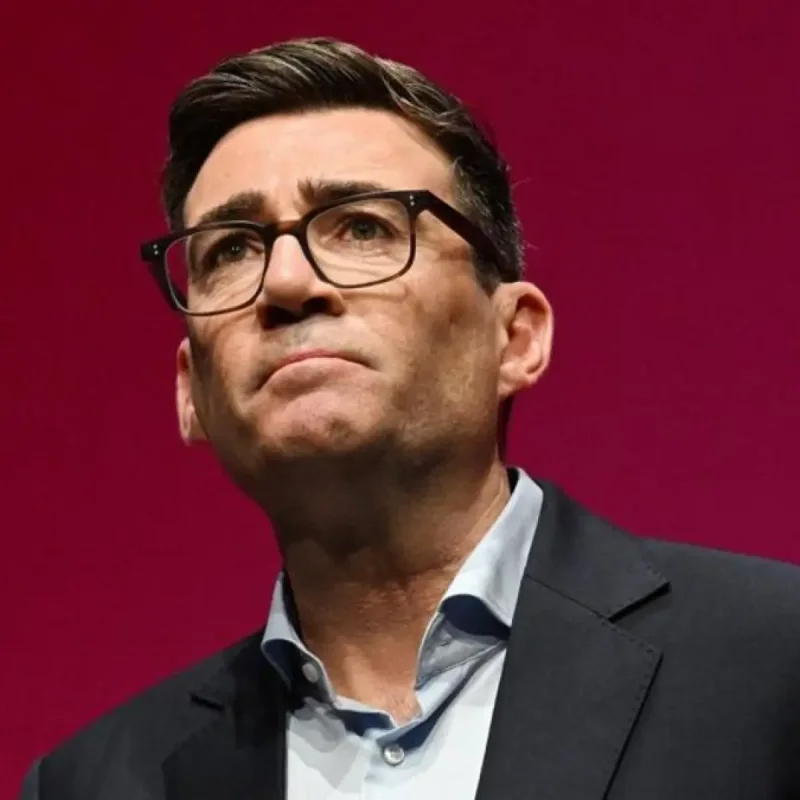
British national newspapers published editorial verdicts on Wednesday assessing Andy Burnham's recent Labour Party conference address.
The coverage weighed his political delivery against the substance of his government proposals.
Financial analysts and political commentators offered distinct perspectives on the policy direction outlined during the gathering.
Praise and Policy Gaps
The Financial Times described Burnham as "among the most gifted communicators of the current political generation."
The publication analyzed the broader implications of the address for upcoming electoral contests.
It noted the speech was "more a manifesto" in overall scope.
Commentators suggested the address lacked immediate implementation details.
The Financial Times characterized the missing element in the policy rollout as an "urgent action plan."
Other major daily newspapers similarly focused on potential parliamentary realignments resulting from the conference announcements.
A leader article in The Times stated the announcements "hold out the possibility of a Labour-Liberal Democrat alliance."
The Guardian echoed these coalition considerations in its editorial analysis.
It observed that centrist and third-party voters are those "whose tactical support may be crucial."
Meanwhile, opposition figures delivered sharp rebukes regarding specific policy adjustments unveiled at the conference.
Nigel Farage issued a stringent critique in his commentary for the Daily Mail.
The Reform leader declared "betrayal" when discussing proposed modifications to the state pensions triple lock.
Farage argued that foundational figures of the party would strongly oppose the current trajectory.
He asserted that former Health Secretary Nye Bevan would be "spinning his grave" over how he would view the changes.
Shifting focus to environmental infrastructure, the Prime Minister addressed public utility management in a separate piece.
Andy Burnham penned an opinion article for the Daily Mirror targeting utility companies.
Burnham wrote that the state of the water sector is a "leaking monument to everything that went wrong with privatisation."
The government leader outlined administrative measures to regain oversight of utility providers.
Burnham pledged to "take back control of water" as part of the administration's reform agenda.
Environmental remediation remained a central justification for the proposed regulatory overhaul.
Burnham concluded with the "hope that our children can swim in rivers and seas that are clean, not clogged with filth."