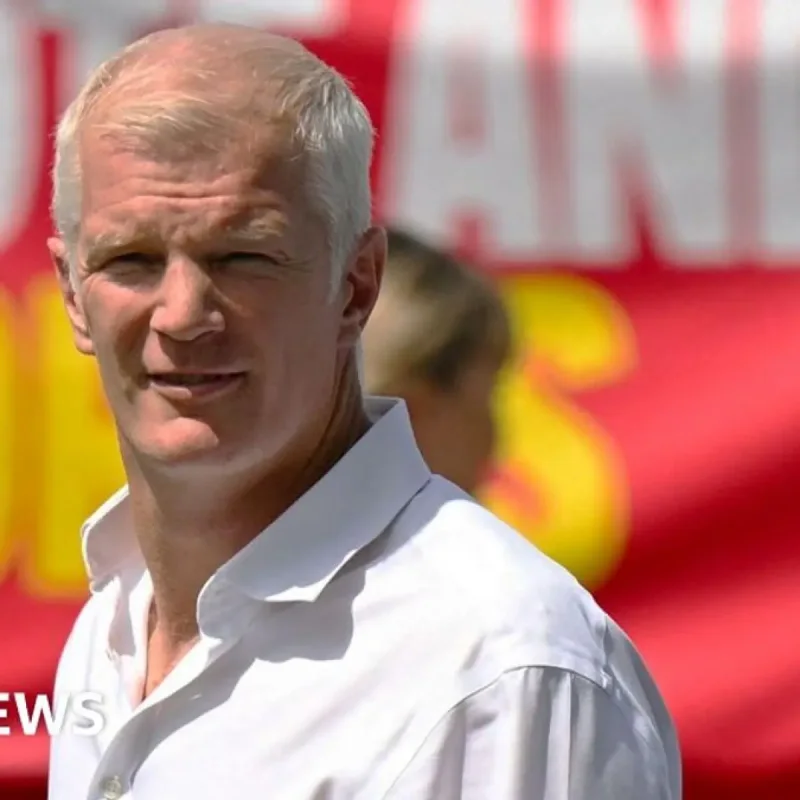
Andy Burnham's recent moves signal a shift in tone, but the incoming UK prime minister faces a daunting international landscape.
Early signs suggest he may have the right skills for the job.
Burnham made his first major break with predecessor Keir Starmer by apologizing for Labour's handling of the Gaza war, calling for an earlier ceasefire and increased pressure on Israel.
While the Foreign Office already considers further sanctions, the move is more a change of domestic tone than a dramatic policy shift.
Recognizing deep anguish on the left over Gaza, Burnham signals he will listen more closely to grassroots concerns.
However, this raises questions about his relationship with the White House, especially given Donald Trump's past dismissal of Burnham as "the mayor of a town."
Navigating US Relations and Global Alliances
Burnham enters office at a tipping point for US relations with the West.
Canada's Prime Minister Mark Carney warns that the old America is not coming back, while even Italy's Giorgia Meloni appears to have lost patience with Trump.
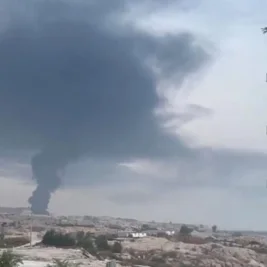
Frustration was palpable at this week's NATO summit in Ankara, where Trump threatened trade sanctions on Spain, confirmed his desire to own Greenland, and resumed bombing Iran.
The prospect of rolling conflict in the Gulf, akin to Trump's on-again, off-again trade wars, poses a serious threat to allies.
Former Foreign Office minister Tobias Ellwood's book "Ten Steps to Prevent World War Three" depicts a future where such conflicts become routine, with China filling the vacuum left by a weakened rules-based order.
Ellwood advocates for a "stability alliance" of middle-ranking powers focused on early conflict prevention.
Burnham's skill as a mayor in convening alliances of the like-minded aligns with this agenda. However, the question remains how far to go in confronting Trump.
The case for engagement has always been that lives depend on it: Ukraine needs US help, Europe needs time to re-arm, and Britain relies on Washington for its nuclear deterrent and intelligence.
But the threat to Greenland has convinced many European leaders that change is necessary.
Ukraine now needs less US assistance, having built up its own defense manufacturing, and the EU pays for weapons Washington supplies.
Trump, meanwhile, praises Ukraine's drone strikes when they succeed.
Starmer's grovelling trips to Washington bought time for Ukraine, but Britain wasted that grace period by failing to make a public case for defense spending.
Burnham inherits this mess alongside momentous choices over the special relationship.
If he means to spend less time on foreign affairs, Burnham will need an extraordinary foreign secretary.
David Miliband, who held the job under Gordon Brown, is visibly auditioning.
But Burnham must also master the art of titration: measuring each policy shift or gesture to cause the desired reaction without overreach.
Assertive enough on Gaza not to seem morally complicit, yet without denying Israel's right to self-defense. Not too close to Trump, but just close enough.
Each move carries a hair's breadth between success and failure that future generations may bitterly regret.