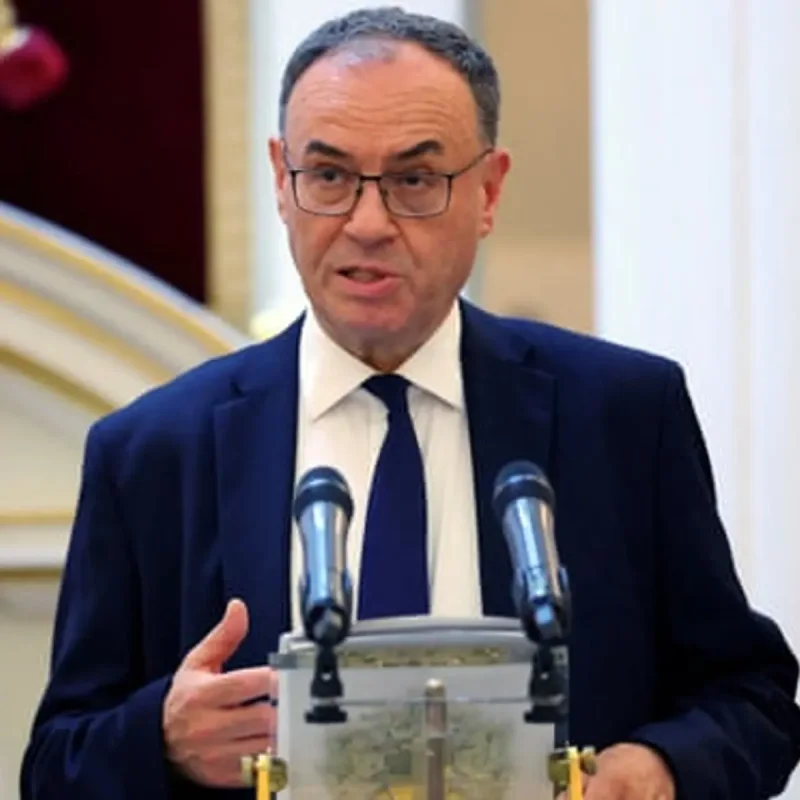
Bank of England Governor Andrew Bailey called for international cooperation on Tuesday to address growing artificial intelligence threats, warning that the United States cannot achieve its safety ambitions alone.
Speaking before his address to financial executives at the Mansion House dinner in London, Bailey emphasized the necessity of coordinated global action.
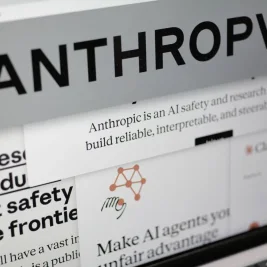
The warning followed a temporary ban by US President Donald Trump on foreigners accessing Anthropic's Claude Mythos AI model.
Although the restriction was lifted weeks later, cybersecurity experts warned that such powerful digital tools pose potential risks to international cyber defenses.
Bailey argued that the interconnected nature of modern digital networks makes unilateral isolationism impossible for any single nation attempting to build strong cyber defenses.
"We've got to get better international understandings of how we deal with the introduction of frontier AI," Bailey said.
The governor stressed that global collaboration is essential to prevent dangerous digital tools from falling into the hands of bad actors.
"The US can't achieve what it sensibly wants to achieve, in terms of strengthening defences, on its own because it is a highly interconnected system," Bailey said.
He further elaborated on the cross-border vulnerabilities of digital systems during his formal address to financial leaders.
"No country can seal itself off from the cross-border nature of systems that are prevalent today," Bailey said.
The call for international AI standards coincided with a speech from Chancellor Rachel Reeves, who defended her economic record as she prepares to exit the Treasury.
Reeves warned her successor against undermining the financial stability established during her tenure.
"The record of the last two years makes clear that governments can achieve that [radical] change only when they combine radicalism with credibility," Reeves said.
With Andy Burnham expected to be confirmed as the new Labour leader and prime minister, Reeves highlighted key economic improvements achieved under her leadership.
"I had to earn that credibility in opposition, and I have proven it in government in every action that I have taken since I became chancellor.
That hard-won credibility must be sustained and the foundations maintained if this work … is to continue," Reeves said.
Reeves pointed to falling borrowing rates and poverty reduction metrics to validate her policy decisions over the last two years.
"Last year, borrowing fell from 5.2% to 4.2% of GDP – its lowest level in six years.
Investment is up, productivity is up, and wages are up too.
Waiting lists are falling faster than at any time in the last 17 years and half a million children will be lifted out of poverty during the course of this parliament," Reeves said.
Amid rising geopolitical tensions in the Middle East following the collapse of the US-Iran memorandum of understanding, Reeves cautioned that international volatility would continue to impact the UK economy.
"The resumption of hostilities in the Middle East in the last few days has shown that our economic resilience will continue to be tested, and the market response to those changes shows that there is still work to do to insure our economy and our country against a volatile global landscape," Reeves said.
The economic challenges ahead include rising 10-year UK government debt yields and a projected £4.7 billion funding requirement for defense investment over the next four years.