The World Cup has always marked seasons of life for me.
From blurry childhood memories of Roger Milla's corner-flag dance in 1990 to Roberto Baggio's devastating goal in 1994 and Zinedine Zidane's head-butt in 2006, each tournament is tied to potent emotional events.
But this World Cup feels different from the start.
Watching as a Black diaspora viewer is an unhinged exercise with an elegant logic.
I call it "identity maths": support African teams until they're out, then move to Black diaspora teams, adopted homelands, or teams with appealing vibes or politics.
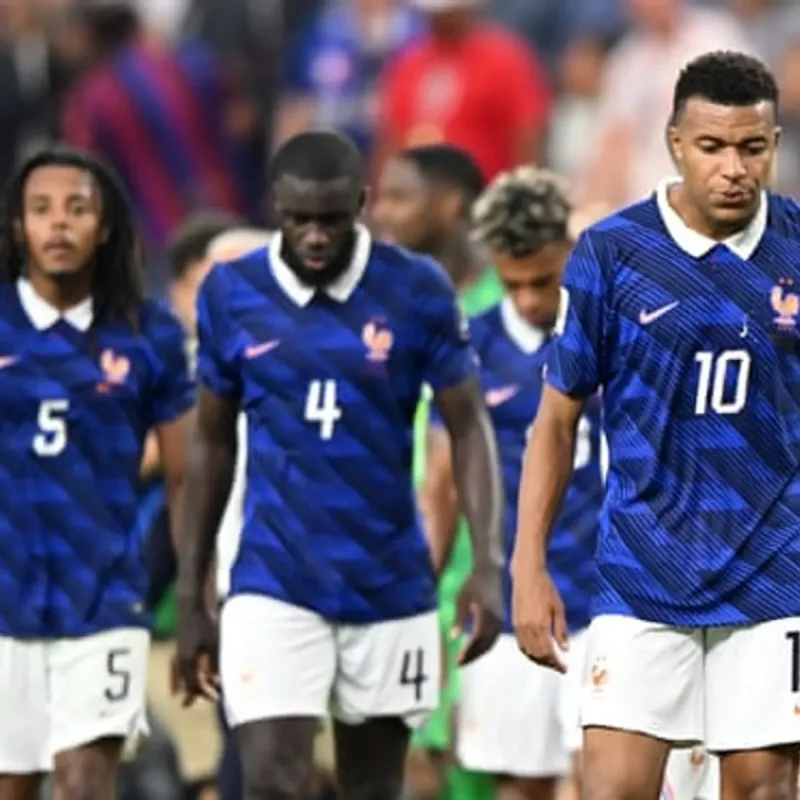
Spain, for example, has an unproblematic European outlier aura, while France, despite being an ex-colonial power, has a majority-Black team that trumps Spain.
This chopping and changing of loyalties echoes a wider diasporic orphanhood.
Players of African descent become avatars of political frustrations and aspirations, not just athletes we feel affinity with.
Political Weight of the Tournament
This World Cup carries the weight of multiple political contexts.
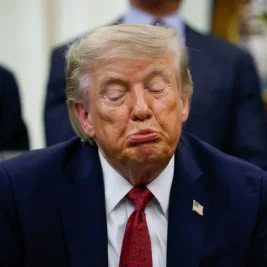
Anger at the US under Donald Trump, who interfered to reverse a red card for a US player.
Anger at FIFA's corruption. And anger at anti-immigration discourse across the US and Europe.
Identity maths has become less frivolous, taking on political gravity. Ousmane Dembélé and his hijabi wife become a rebuke of Islamophobia.
Kylian Mbappé faces racist attacks from a Paraguayan senator.
The England team, majority Black, represents a country in a dark era of anti-immigration politics, where Reform MP Robert Jenrick cheers "Come on England" while calling for immigration to be "less than zero."
Black footballers carry the burden of achievement while facing personal abuse and political erasure.
Being a Black diaspora football lover means veering between anger and celebration, happiness and resentment.
Navigating Loss of Trust
This tournament comes at a unique global moment: post-pandemic, post-Gaza, post-Black Lives Matter backlash, post-death of the rules-based order, and post-enshittification of X under Elon Musk.
These forces curdled when Egypt's goal against Argentina was disallowed, sparking allegations of a fix. Trust has haemorrhaged from sporting and political institutions.
The World Cup is fundamentally about political tribes and the nation state. Each team projects a country.
But the beauty was in micro-dosing politics, not being engulfed.
I want to watch football as always: on a laptop, back turned, feeling sick because my team is losing.
I don't want a seminar after every match or every decision scrutinised as motivated.
Yet, as the tournament draws to a close, I'm in awe that the World Cup remains porous to what we're collectively feeling.
It is the biggest compass for where we are, marking our coordinates every four years. This is where we are.
I shall measure my life in this one, too.