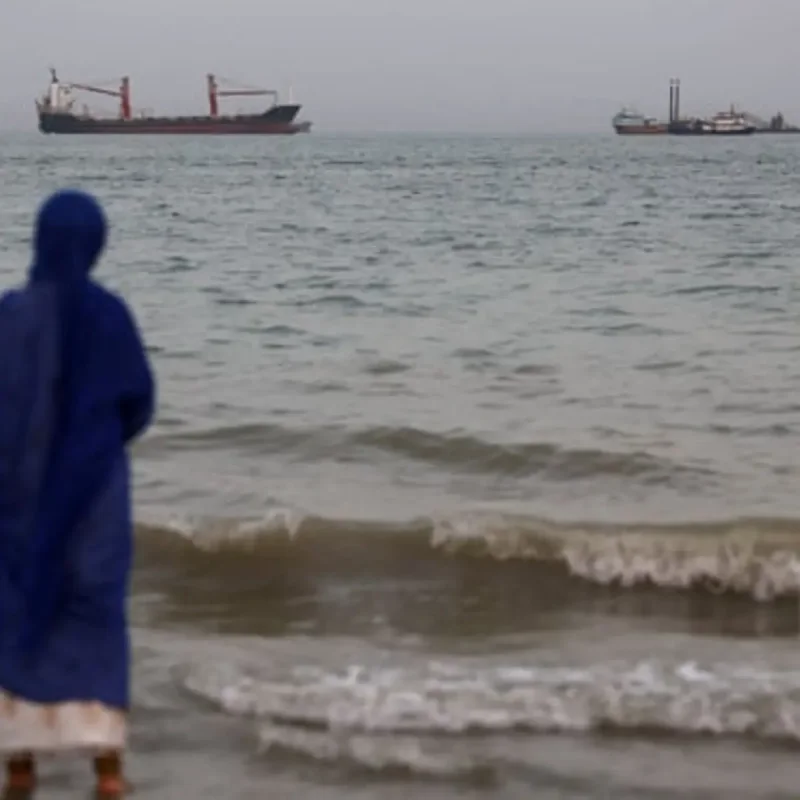
Tensions in the Middle East have escalated sharply following coordinated maritime actions by Iranian forces and Yemen-based militants, as reported by The Guardian.
Iran launched an attack on a commercial tanker in the Strait of Hormuz early Tuesday, forcing the crew members to flee the vessel.
Simultaneously, the Iran-backed Houthi movement in Yemen declared an immediate maritime blockade against Saudi Arabia in the Red Sea following recent military exchanges.
Houthi Blockade and Saudi Response
A Houthi representative stated that the Bab al-Mandeb strait, which handles roughly 12% of global shipping trade, would be shut down to Saudi vessels.
The official described the closure as a direct response to the kingdom's "unjust blockade on Yemenis for over 10 years".
In response to the threats, Saudi Arabian authorities announced they would implement "all necessary measures to protect its vessels in accordance with international law".
The disruptions come despite the United States conducting its tenth consecutive night of airstrikes aimed at weakening Tehran's control over the Strait of Hormuz.
While the Iranian president remarked that the nation had entered a state of "full-scale war", the country's interior minister traveled to Pakistan to engage in mediation talks.
The United States Military Central Command stated that its recent operations sought to "degrade" the capability of Iranian forces to target commercial vessels.
The military strikes successfully targeted multiple command centers along with designated missile and drone launching facilities.
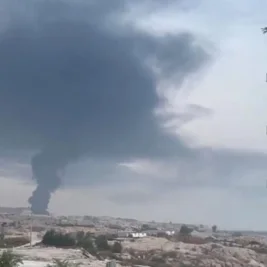
State media in Iran confirmed that explosions occurred in several domestic regions, including Bandar Abbas, Tabriz, and Bushehr, where the nation's sole operational civilian nuclear facility is located.
In retaliation, Iran launched strikes against Bahrain, Kuwait, and Jordan, which are nations that currently host US military personnel.
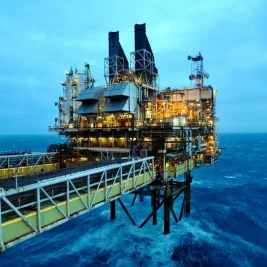
Global energy markets reacted to the volatility, with Brent crude futures dipping 0.4% to $88.87 a barrel after previously reaching a one-month high.
Concurrently, US West Texas Intermediate crude for September delivery stabilized at $82.47 per barrel during early Tuesday trading.
The recent military escalation followed warnings from Donald Trump, who declared that Iran would pay "many times over" after several US service members were killed over the weekend.
Domestic political pressure has intensified as Democrats call for an immediate reversal of the resumed conflict due to rising anxieties over casualties.
Meanwhile, the US confirmed the Lebanese army has started overseeing security in three southern villages, testing a diplomatic deal involving Israeli withdrawal and the disarmament of Hezbollah.