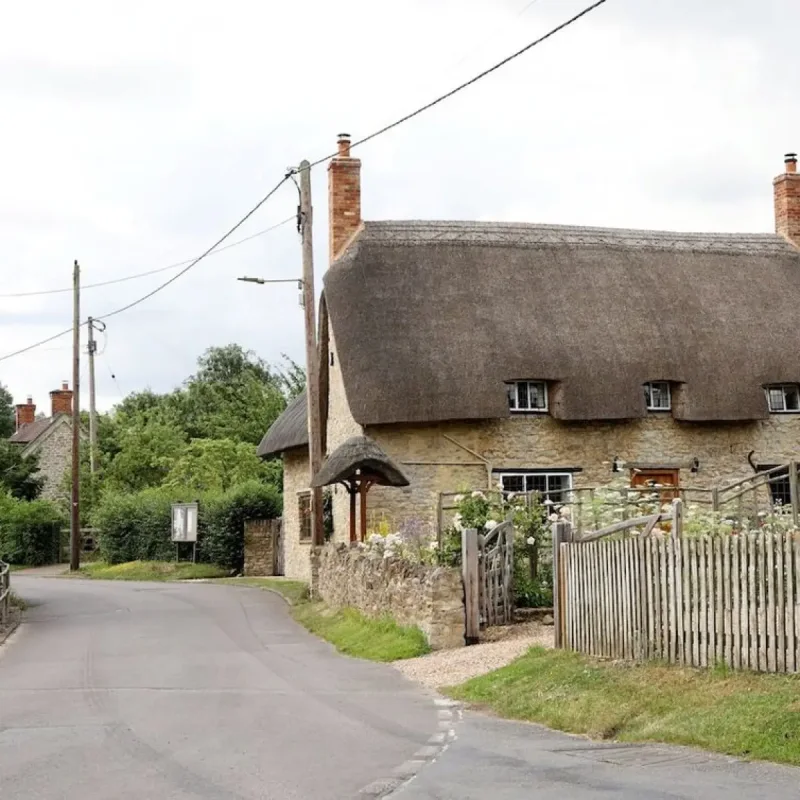
Residents of Piddington, Oxfordshire, voted on July 4, 2026, to hold a symbolic referendum on declaring independence from the United Kingdom.
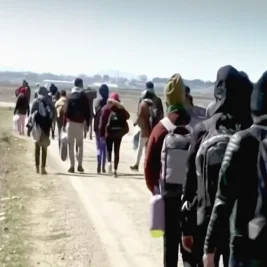
The move is a protest against Home Office plans to house up to 1,250 male asylum seekers at the nearby former Bicester Garrison.
The local vote yielded a 96 percent majority in favor of the referendum.
Situated between Piddington and Upper Arncott, Bicester Garrison is one of three military sites targeted alongside RAF Linton-on-Ouse and RAF Barnham to accommodate 3,750 asylum seekers combined.
The plan aims to phase out hotel use by the end of the current Parliament.
Because no legal mechanism exists for a municipality to secede without parliamentary approval, the vote remains symbolic.
The Home Office also plans to extend leases at Wethersfield and Crowborough to hold another 1,750 asylum seekers.
Tim McNally, chairman of the Piddington parish council, voiced strong opposition after an emergency meeting was called in June following the government's announcement.
"It's about representation. We have had no input into the proposal.
We have been asking questions, and nothing has come back," he said.
McNally emphasized that the lack of advance notice contributed heavily to local outrage. "The shock of the information triggered people.
I could have prepared them if I was given prior warning," he added.
Local residents expressed deep concerns regarding local governance and safety in the small community.
Ian Darby, a 62-year-old financial adviser and 16-year resident of Piddington, said: "The Government did not talk to the MP nor the council.
It is undemocratic and there are really massive issues with it."
Darby clarified that the protest focuses strictly on community representation rather than the asylum seekers themselves. "We are not talking about the rights and wrongs of asylum seekers.
We are talking about the people who live in the village," he said.
McNally has begun drafting a local constitution to press for village priorities, including compensation for property impacts and clear performance metrics for the facility.
"George Washington brought change about.
I am going to make the change and then give away the power like he did," he said.
He noted that safety and potential crime remain top concerns for residents. "As a small village, a lot of people walk freely without any concern.
There is no crime at the moment, but what happens if there is crime?" he asked.
Addressing the widespread opposition to the military site repurposing, government officials maintained that the measures are vital to ending hotel accommodations.
Jake Richards, Justice Minister, said: "The military sites that we are proposing to use… are large sites, they are more contained.
I understand there will always be opposition to such proposals as we're setting out today."
Richards added that the government is committed to resolving the border issue despite local pushback.
"Ultimately, the question for politicians, when you're in government, is what are your priorities?
And we made a promise to the British people that we would close these hotels, which have caused so much angst, so much anxiety, and so much pain across the country and we will do that," he said.
He reaffirmed the administration's pledge to overhaul the current asylum system.
"Now, that might mean difficult decisions, but we will do as the Home Secretary has said, whatever it takes to close these hotels, get a grip of our borders, and fix the asylum system and we will do that," he said.
As of late March 2026, 20,885 asylum seekers resided across approximately 170 hotels, down from a peak of 56,000 in 400 hotels in 2023.