A Drug Enforcement Administration assessment released on July 27, 2026, concluded that deadly U. S.
military strikes targeting suspected drug vessels failed to reduce the flow of cocaine entering the United States.
Criminal networks quickly adapted their tactics, rendering the campaign largely ineffective.
Operation Southern Spear Results
Operation Southern Spear, launched by Defense Secretary Pete Hegseth in November 2025, resulted in 67 boat strikes and at least 221 deaths by late May.
Despite the lethal campaign, congressional briefings confirm that cocaine availability and market prices in the U. S.
remain unaffected.
Federal assessments show that maritime interdictions initially caused short-term disruptions, but trafficking networks promptly altered their logistics to bypass international waters.
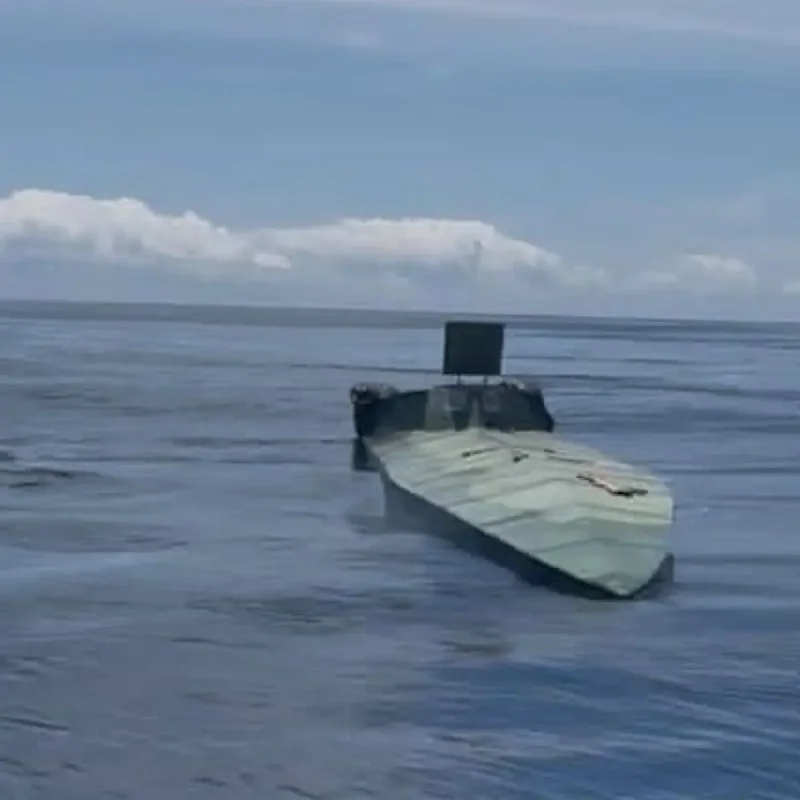
Smugglers transitioned to larger vessels operating closer to territorial coastlines and expanded their use of aircraft flying from illicit border airstrips in Colombia and Venezuela toward Suriname and Guyana.
An anonymous DEA official described how cartels quickly adapt to heightened interdiction efforts.
"When you squeeze the balloon on one side, it always expands on the other side," the official said.
"They always find the weak spots and exploit them."
Naval intelligence from regional partners underscored that the immense profitability of the narcotics trade easily absorbs operational losses, rendering speedboat destructions largely ineffective against total volume.
"The business is so extraordinarily profitable that the cartels do not mind paying freight costs that are five or even 10 times higher," an anonymous Ecuadorian naval intelligence official said.
"They know that while the United States may destroy one speedboat, they will successfully get 10 semisubmersibles—or other speedboats that evade detection—through."
President Donald Trump had previously claimed major disruptions to maritime drug routes during public addresses following the launch of the strikes.
"98.2% of Drugs coming into the U. S.
by Ocean or Sea have STOPPED!" Trump said.
Pentagon briefings to the Senate Armed Services Committee verified that seized cocaine purity levels in the U. S.
remain stable, demonstrating an uninterrupted supply chain.
Congressional leaders like Senate Armed Services Committee Chair Roger Wicker continue advocating for maximum pressure strategies despite the DEA findings.
"I've expressed publicly and privately my approval of finishing the job, and realizing that negotiations were getting us nowhere," Wicker said.
"I've made it clear that Iran, in my judgment, has no intention of negotiating in good faith or keeping a promise and that it's pointless to pretend that they are a trustworthy negotiating party."
Wicker added that maintaining control of regional shipping routes remains critical to security objectives.
Representative Ronny Jackson similarly called for aggressive military escalation to eliminate potential threats.
"I just think maximum pressure from the air and maximum security of the strait—anything they have that they could possibly use to cause problems in the strait needs to be destroyed," Jackson said.
Military intelligence continues to monitor cartel movements as trafficking networks utilize larger vessels and air routes to sustain supply levels.