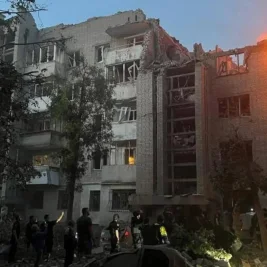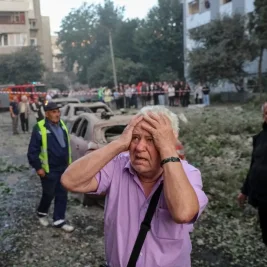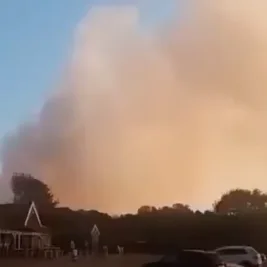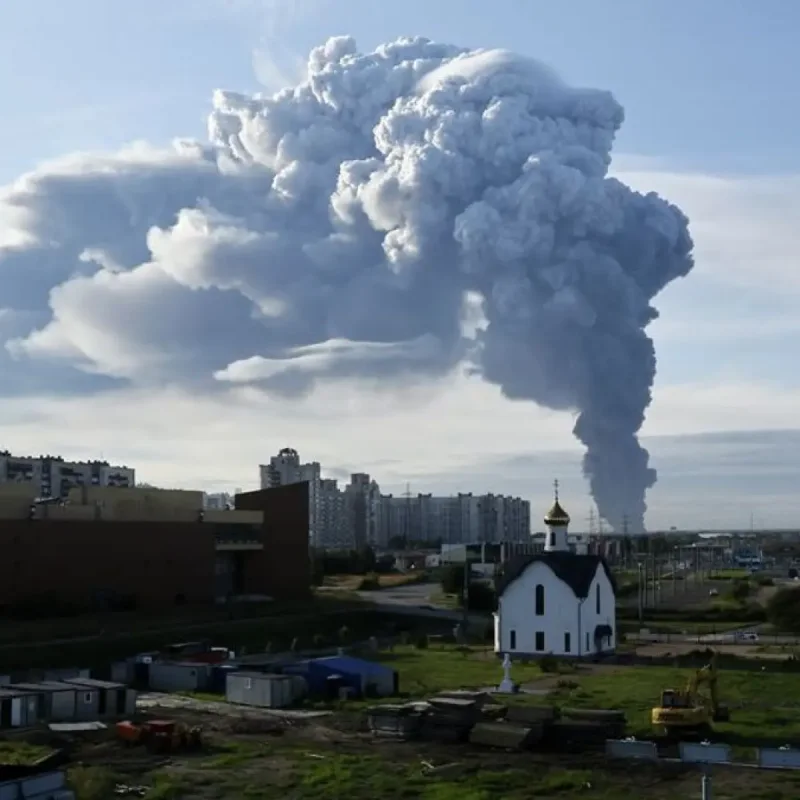
Ukrainian forces have significantly escalated drone strikes inside Russian territory, hitting three distribution warehouses belonging to Wildberries, Russia's largest online retailer, on July 30, 2026.
The intensified aerial campaign targets commercial logistics hubs, fuel depots, and the Moscow region to disrupt everyday life and force domestic political pressure on Moscow.
The shift in strategy targets supply infrastructure that Ukrainian officials state supports the Russian defense sector.
Recent attacks on Russian oil facilities have already led to widespread fuel shortages and long lines at gas stations across several Russian regions.
Strategic Goals Behind the Strikes
Ukrainian defense expert Ivan Stupak detailed the strategic goals behind targeting major commercial hubs and supply lines.
"We want to cause damage that the Russian people feel," Stupak said to Nieuwsuur.
"Damage that impacts the people who played dumb and said: 'We know nothing about the war.' We want them to put pressure on Russian politics."
Ukrainian intelligence maintains that warehouses owned by Wildberries store components intended for military drones and navigation equipment.
Recent strikes have targeted these distribution operations directly.
"We have now destroyed 10 percent of Wildberries' logistics," Stupak said. "We want the intermediaries to slam their doors because their supplies and money have run out."
Despite the economic disruption and public frustration, internal dissent remains heavily restricted under strict state laws.
"A likely scenario," Stupak said regarding whether widespread protests would occur soon.
"Russians know all too well that even a critical post on social media can lead to a prison sentence."
The escalation also coincides with political timelines ahead of the Russian presidential elections in mid-September.
Kyiv aims to counter Kremlin efforts to maintain a sense of normalcy, while analysts highlight potential military decisions following the vote.
Russia analyst Hubert Smeets noted that rumors suggest Russian President Vladimir Putin may announce a general mobilization after the polls close.
"He has never dared to do that until now because it invokes a lot of resistance," Smeets said.
"He cannot lose this war. That would mean the end of the regime.
But he can only announce that mobilization after the election, otherwise no one will come to the polling station."
The urgency of the campaign is driven by fears of repeated winter infrastructure attacks, as Russian missile strikes continue to target major Ukrainian cities, particularly Kyiv.
"Ukraine is in a hurry, because it cannot afford another winter like last year," Smeets said.
"Where major power plants and gas stations no longer work because of Russian bombardments."
Residents in Kyiv report an increased frequency of incoming ballistic missile strikes as Russian forces ramp up retaliatory bombardments.
"They fire ballistic missiles at us very often," a city resident said.
"At first that happened once a week or less, but now every day or every other day."
To maintain its defensive capabilities, Ukrainian leadership sought additional air defense systems during visits with U. S.
officials in Washington.
Ukrainian President Volodymyr Zelensky requested a winter emergency package including Patriot interceptor missiles to protect critical infrastructure against ballistic threats.