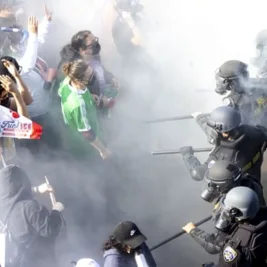
Violent confrontations between security forces and civil rights demonstrators have escalated across Pakistan-administered Kashmir, with clashes reported through July 31, 2026.
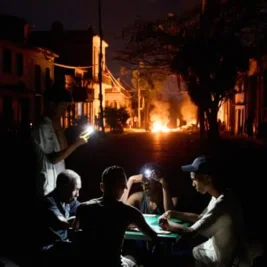
The unrest is driven by protests over electoral reforms, political rights, and economic grievances, and has triggered a communications blackout across the region.
The demonstrations, led by the Joint Awami Action Committee (JAAC), initially erupted in June 2026.
The primary trigger was the allocation of 12 reserved parliamentary seats for refugees from Indian-administered Kashmir, which protesters argue destabilizes local governance and gives central authorities excessive political control.
Casualties and Allegations
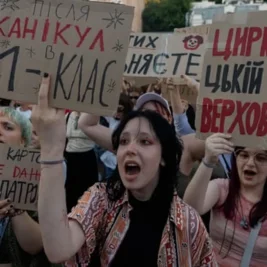
Security forces encountered thousands of demonstrators in Rawalakot and Mirpur as crowds attempted to march toward the regional capital, Muzaffarabad.
Local hospital officials confirmed at least two deaths from gunshot wounds in Mirpur, while civil society organizations allege a higher death toll and accuse security forces of using excessive force.
SA Khan, spokesperson for JAAC, said, "Security forces have taken away the dead bodies and locked away the hospital in Mirpur.
We have the photos and video evidence of dead bodies lying on streets in a pool of blood.
The security forces abducted the dead bodies to erase the evidence."
Khan also responded to accusations by Information Minister Atta Tarar, who alleged that the protest movement receives financial support and direction from India.
Khan dismissed the claim, saying, "It is nothing new: people asking for political or economic rights are termed India-sponsored or anti-state in Pakistan, same goes in India."
Human rights groups have condemned the military deployment and internet restrictions, demanding independent inquiries and the restoration of telecommunication services.
Isabelle Lassée, regional director for South Asia at Amnesty International, said, "The disturbing reports emerging from Rawalakot are consistent with the Pakistani authorities' long history of unlawful violence against protesters in Jammu and Kashmir.
A prompt, independent, and transparent investigation must be ordered into the security forces' use of force against protesters."
Lassée urged authorities to lift media restrictions and restore connectivity to allow verification of casualties.
"So long as an internet and mobile services blackout remains in place, it will severely impede the independent verification of the full extent of the situation on the ground," she said.
"We urge the Pakistani authorities to restore all communications access and allow media and independent observers into the area."
Local residents have disputed official characterizations of the protests.
Sardar Aman Khan Kashmiri, a resident of Rawalakot, said, "If there are terrorists here, let Pakistan's media and the international media come and see for themselves."
He noted that demonstrations have persisted for nearly two months and urged external observers to evaluate the situation directly.
Another resident, who previously created online travel media, described shifting focus to documenting the unrest.
Local civil rights group representatives affirmed that demonstrations will continue until government commitments on economic rights and governance reforms are formally fulfilled.