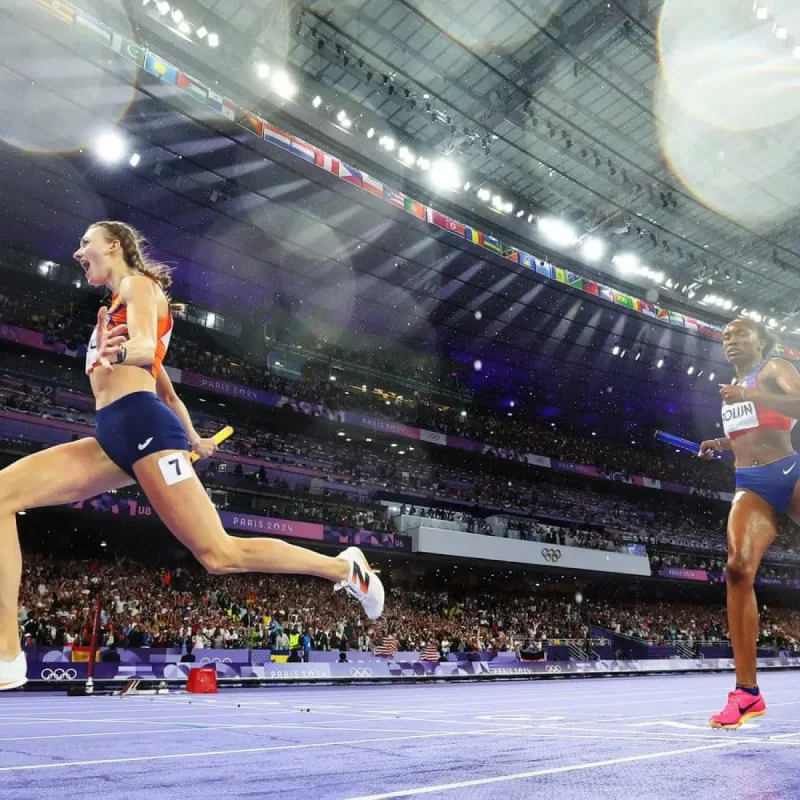
Norway secured the top spot in the total medal count at the recently concluded Winter Olympics in Italy, outperforming the United States through a youth sports model focused on inclusion and long-term athlete retention.
The European country of 5.6 million people leads the all-time Winter Olympics medal standings with over 400 total medals.
Key Differences in Youth Sports Systems
According to data from winchesternews.
org, Norway achieves high participation rates by eliminating scorekeeping, league standings, and long-distance travel for children under 13.
The Norwegian system uses lottery and sports betting proceeds to fund community athletics, keeping annual participation costs near $1,000 per child.
In contrast, the US relies on a privatized youth sports market where club teams and elite coaching expenses often sideline low-income children.
American youth sports introduce competitive pressure immediately, leading to a 70 percent dropout rate by age 13 due to lack of enjoyment.
Norway retains a 93 percent youth sports participation rate, creating a deeper talent pool that has produced global stars in skiing, soccer, tennis, golf, track, and chess.
Massachusetts Takes Action
To address growing burnout and inequality, the Massachusetts Legislature established a Youth Sports Working Group last fall under a development bill enacted in 2024.
The panel includes legislators, community coaches, and a medical expert who are drafting recommendations for a state oversight body modeled on the NCAA or the Massachusetts Interscholastic Athletic Association.