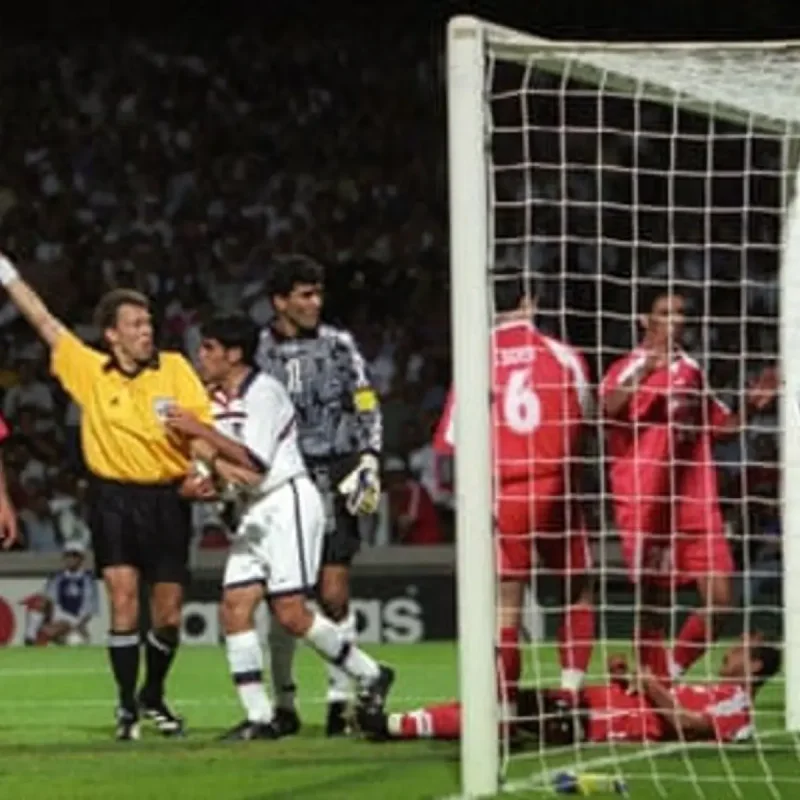
One mistake can cost you your place on the plane. Before the 2010 World Cup, Tom Henning Øvrebø was one of Europe’s best referees.
But in 2009 he denied Chelsea at least one clear penalty in their Champions League semi-final second leg against Barcelona and his World Cup was gone.
José María Sánchez Martínez appeared set to represent Spain at the 2026 World Cup, but a run of shaky performances meant his compatriot Alejandro Hernández Hernández was selected instead.
Miss out and you might never get another shot.
In June 2025, Marco Guida, a top Serie A referee, was fighting to regain fitness after a hamstring injury.
He told me the fear of missing the World Cup had affected his mental health.
“If I’m not refereeing in Italy or the Champions League, I won’t be selected,” said Guida. Fifa left him out.
By the next tournament, he will be in his late 40s, which he feared would be too old.
“That’s what happened to Øvrebø. The pain still lingers.
The margins are so small,” said Guida.
For much of the selection cycle, Elfath doubted whether that message would arrive. During the 2024 Copa América, he sustained a serious knee injury.
He returned to the pitch a year later, after two operations.
Before he could think about the World Cup, he needed to pass Fifa’s fitness test.
To referee internationally, officials must complete 40 timed 75m sprints, with only 18 seconds of recovery. World Cup candidates also face additional tests for agility, speed and strength.