A certified representative from US Soccer flew to Texas to oversee the test, as did Elfath’s assistant referees.
If he failed, they would miss the World Cup too. He passed, but still had to prove himself again.
After matches and workouts, he uploaded GPS tracking data from his training devices to apps monitored by Fifa.
“They knew every time I accelerated and decelerated,” said Elfath. He also shared his sleep and recovery data.
In December 2025, Fifa cut three names from its list of North American referees under consideration.
Elfath survived and was invited to Rio de Janeiro for the final pre-tournament selection seminar, where candidates underwent further evaluation.
A sports scientist measured how their bodies responded under simulated stress, tracking their heart rate and breathing.
They reviewed clips of possible penalties. A doctor checked the stability of Elfath’s knee.
“As you get closer to the World Cup, we are tracked to a level people don’t realise,” said Elfath.
For months, every phone ping brought anxiety. Then, that morning, Fifa’s announcement finally came.
Soon, texts poured in from friends all around the world.
Elfath barely had time to respond.
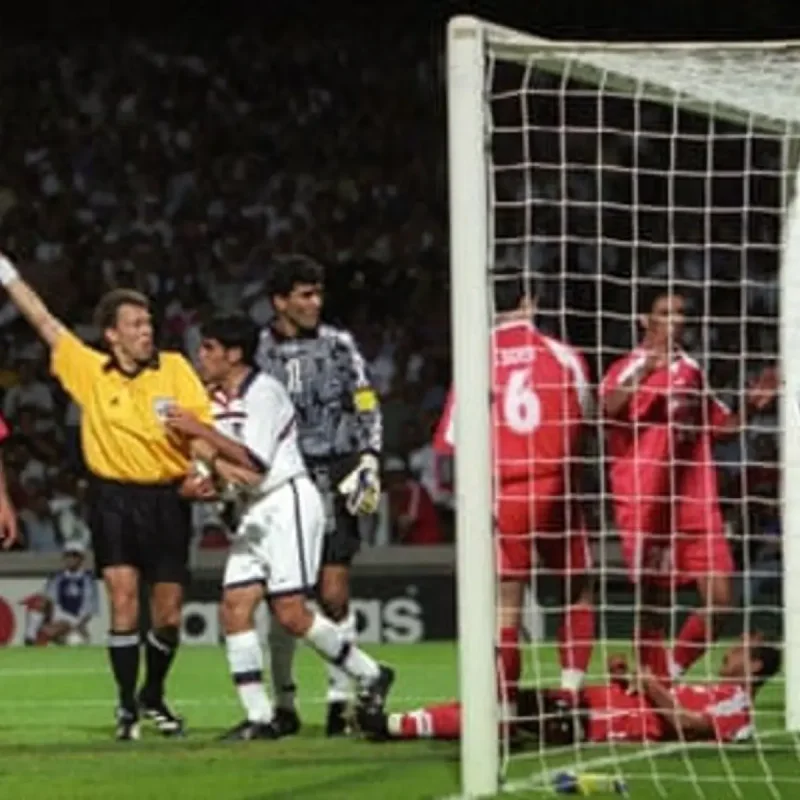
He is one of Major League Soccer’s top referees, with a relentless schedule that has taken him from the Tokyo Olympics to the 2022 World Cup, where he was fourth official for the final.
Now, with a day off, he had promised his children his full attention.
“I’d told them I wouldn’t be on the phone, and there I was looking at my phone. They called me out!”