Dr. Jennifer Bell, senior lecturer at Nottingham School of Art & Design, noted that anti-facial recognition clothing is increasingly available at high street prices and marketed to a broad demographic.
"That growing awareness combined with a lowering of cost often precedes the tipping point towards a real cultural moment," she said.
Designing for Algorithmic Chaos
Daniel Preuß, co-founder of Urban Privacy, said new technology allows combining "smart, striking style with invisible protection."
He emphasized that no design can guarantee full security, but fashion adds value by spreading awareness and propagating public discourse.
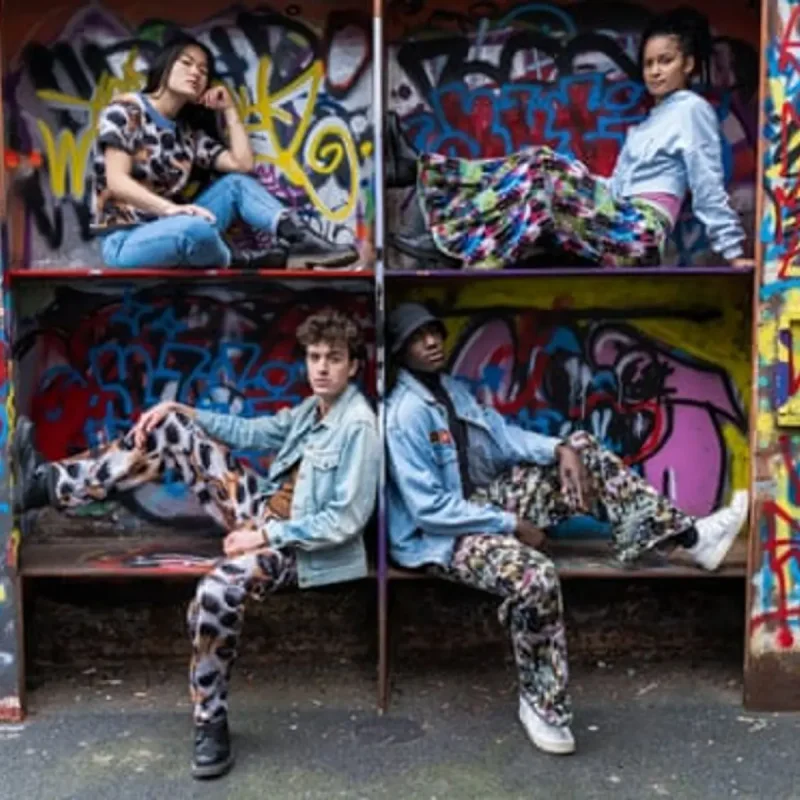
Preuß's designs use large-scale prints, asymmetrical cuts, and streetwear-inspired silhouettes to confuse facial recognition algorithms.
The Urban Ghost coat integrates LEDs into the hood that emit infrared light to dazzle night-vision cameras.
Preuß, who started the company after reading Edward Snowden's revelations, said his designs exploit the fact that "facial recognition systems freak out when they see multiple faces at once."
While designers champion creative approaches, academic experts remain cautious about real-world performance.
"None of these products are tried and tested, and a lot of these surveillance technologies can deal with a little resistance," Bell said.
However, she added that even imperfect designs serve as a visible sign of resistance and collective consumer statement.
Shifting From Niche to Mainstream
Rachele Didero, founder of Cap_able, which creates clothing marketed as making AI recognition harder, said interest in her brand has surged in recent years.
"When I started in 2018, people thought I was designing masks to rob banks," she said. "Now these concerns are no longer niche."
Didero noted that new generations are increasingly afraid of AI and concerned about privacy.
She sees those wearing such products as the vanguard, with mainstream adoption following as bigger companies recognize profit potential and push the trend into popular culture.
Despite optimism about consumer demand, the future of anti-surveillance fashion may ultimately be decided by legislators rather than designers.
"If such clothing genuinely proved effective, it could get political very quickly. Then this type of clothing could find itself banned," Tidball said.