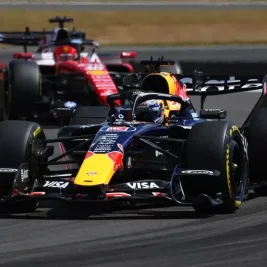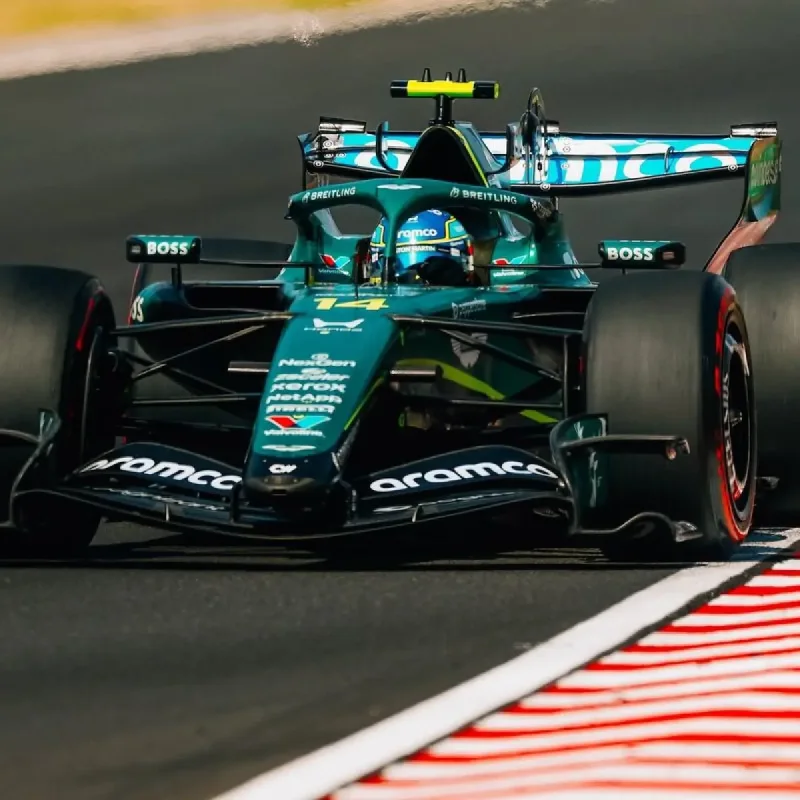
We will fight with them in some races purely because of straight-line speed, but I can tell you they are significantly faster than us in the corners."
Albon remains clear-eyed regarding the realistic scope of their upcoming developments.
"It is an eye-opener, also because I think we know what our Baku upgrade is, and it is not this, so we have work to do," Albon said.
Albon described the long-standing aerodynamic issues in the FW48 as fundamental traits present since 2014.
"We know the car's weaknesses, we know the direction we need to go, and the work done at the factory is the biggest effort I have seen from the team to address these genetic DNA issues," Albon said.
He emphasized that current package updates will not fully cure the handling limitations before next year's chassis reset.
"Is it cured by Baku? I doubt it.
Many of the Baku updates were planned a long time ago, and what we are really sinking our teeth into is next year's car," Albon said.
Explaining the handling inconsistencies on track, Albon highlighted how environmental changes disrupt performance.
"The wind gusts, and we are talking about free-wheeling.
You try to push, and I think there were six laps in the race where the wind stabilized and I could finally get into a rhythm.
Then the wind picks up again and you are back in that cycle where it feels like you are making mistakes, but you are not," Albon said.
He described the loss of predictable grip during stints.
"You drive in the same spots, do the same things, but it simply lacks consistency," Albon said.
Despite the current operational strain, Albon reiterated his support for the engineering team's trajectory.
"I really believe we are doing the right things, so it is a shame we are here in the first place.
But the effort to get back on track is the largest I have seen at the team," Albon said.
Williams now focuses its long-term engineering reset on eliminating these core aerodynamic flaws entirely for the 2027 season.