One random photograph of your car probably is not particularly revealing, but billions of them collectively become something very different.
DRN is not alone in collecting license plates at enormous scale.
MVTRAC, which primarily serves auto lenders and the repossession industry, says its network collects more than 500 million new LPR data points every month through a nationwide network of more than 600 recovery affiliates.
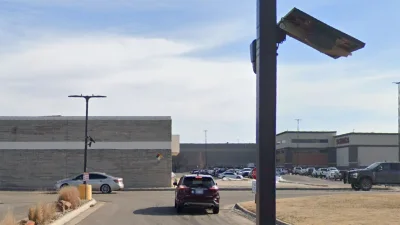
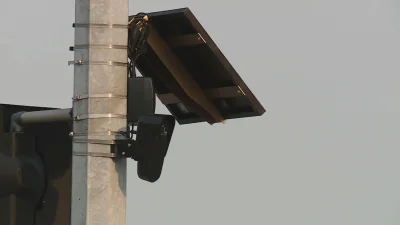
Flock Safety represents another model entirely.
Its cameras are used by private businesses, neighborhoods, apartment complexes, schools, and other organizations, which have the option of sharing vehicle data with law enforcement.
The companies and their business models are not identical, but the broader point is that privately operated cameras are already collecting enormous amounts of data about where vehicles are seen.
Your Insurer Can Use It
There is also no question about whether DRN sells access to its information.
A 2015 federal appeals court decision involving DRN described its business remarkably plainly.
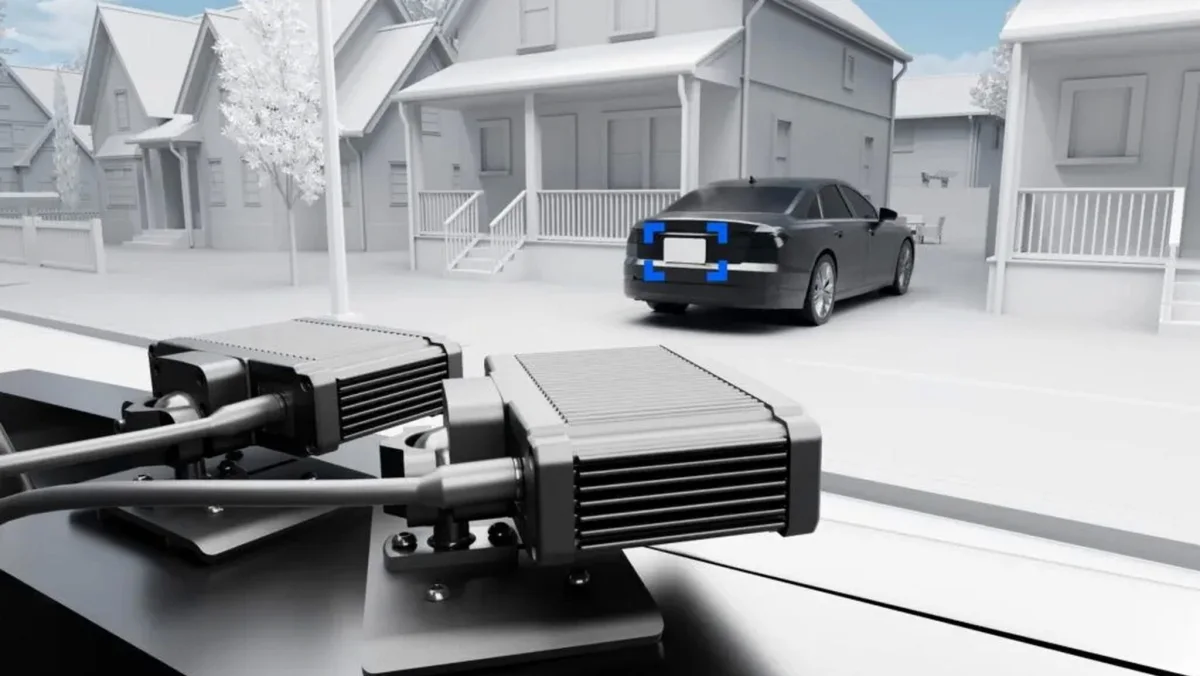
Cameras mounted on tow trucks and other vehicles automatically photographed vehicles they encountered, recorded GPS coordinates, dates and times, and DRN sold the resulting license plate data to customers including automobile finance and insurance companies.
DRN still openly advertises insurance products built around that information today.
One called Garage Aware is designed to determine whether your vehicle is actually kept where you told your insurance company it is.
That is important because insurance rates can vary significantly based on where a car is garaged.