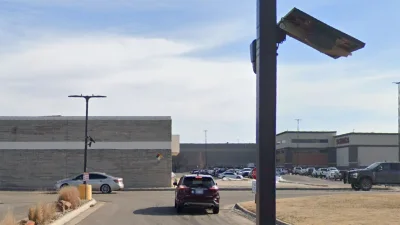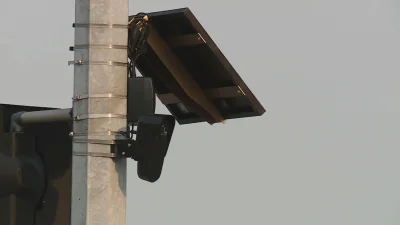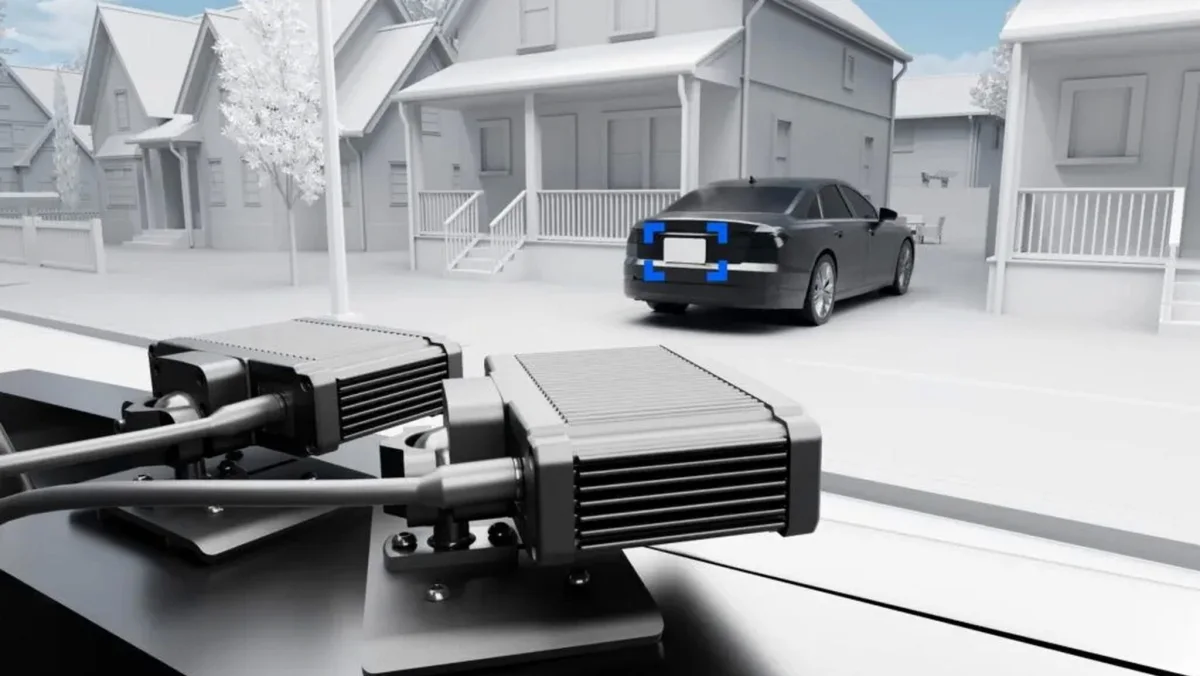
The system gets almost shockingly granular.
DRN’s developer documentation describes “sleep hour sightings” and has the ability to compare these observations with both the address provided by a customer and another location discovered through its data.
The system can even incorporate the difference in insurance premiums between ZIP codes.
Another product, Radius Response, uses license plate sightings to determine whether commercial vehicles are regularly operating beyond their declared geographic area.
Then there is Vehicle Sighting Search.
DRN advertises that to insurers as a way to “map vehicle movements” to investigate claims, identify suspicious patterns, and enforce policy compliance.
Images can be valuable too.
DRN says insurers can examine them for company signage, toolboxes, ladder racks, and trailers that might indicate someone is using a personally insured vehicle commercially.
Historical images can also help determine whether damage existed before an insurance claim.
To be clear, there are perfectly legitimate applications for all of this.
Someone claiming their Mercedes lives in rural Iowa when it is actually parked every night in downtown Chicago is withholding information an insurer legitimately uses to calculate risk.
The same applies to someone insuring a work truck as a personal vehicle.
The problem is that the technology capable of discovering those deceptions is also capable of revealing much more.
Consider what repeated sightings could establish.
A vehicle consistently photographed at one location overnight can potentially reveal where its owner lives.
Repeated appearances somewhere else during weekdays could suggest where that person works.
Other recurring locations could begin revealing routines, relationships, and habits.
If those sound like the same privacy concerns raised about police-operated systems, that is because the private networks operate with far less public scrutiny.