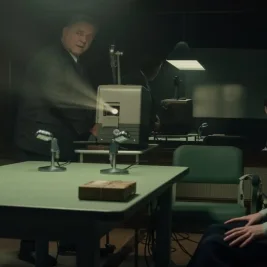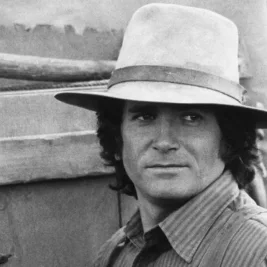
Netflix is set to premiere a new adaptation of Little House on the Prairie on July 9, aiming to explore the deep complexities of frontier life.
The series, based on Laura Ingalls Wilder's classic books, follows the Ingalls family as they settle on an Osage reservation in Kansas during the late 1870s.
Showrunner Rebecca Sonnenshine has centered the narrative on the family's time there, with a focus on historical accuracy.
Luke Bracey, who plays Charles “Pa” Ingalls, said the story transcends generations because it is about a family trying to get along in the world.
Co-star Crosby Fitzgerald, portraying Caroline “Ma” Ingalls, noted the familiarity of the tale brings comfort to many.
The original book series has sold over 73 million copies worldwide.
The 1974 television adaptation also saw a resurgence, becoming the most-streamed legacy show in 2024 with 13 billion streaming minutes.
Interest in the story grew during the Covid-19 pandemic, as themes of isolation and self-sufficiency resonated with audiences.
Modern online trends like “cottagecore” and the “tradwife” subculture have further primed viewers for agrarian and domestic themes.
The original books were heavily influenced by Wilder's daughter, Rose Wilder Lane, who infused libertarian values after the 1929 stock market crash.
Lane transformed the family's history into a narrative of rugged individualism, rejecting government assistance during the New Deal era.
When the Netflix adaptation was announced, it sparked cultural debates.
Political commentator Megyn Kelly warned against modern ideological shifts, but Melissa Gilbert, who starred in the 1974 series, defended the original show's progressive history.
Gilbert noted the earlier series tackled racism, addiction, nativism, antisemitism, misogyny, rape, and spousal abuse.
Bracey responded that critics should watch the show before judging its themes.
The 1974 version, produced by Michael Landon, often deviated from the books to emphasize community cooperation and address dark social issues.
It also offered a more sympathetic portrayal of Indigenous populations than the source texts.
Historically, the Ingalls family squatted illegally on Osage land in Kansas before being removed by federal authorities in 1871.
The new series follows the novels more closely and includes an Osage consultant, Julie O’Keefe, to ensure cultural accuracy.
While the adaptation features a more diverse cast, its clean visual aesthetic somewhat sanitizes the historical brutality of the frontier era.