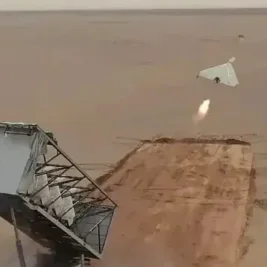
Iran's Revolutionary Guards launched missile and drone strikes against U. S.
military installations in Bahrain and Kuwait on Wednesday, July 8, 2026, following a wave of American airstrikes and the revocation of an Iranian oil export license.
The attacks targeted Bandar Salman, Bahrain's Fifth Naval District, and the Ali Al Salem Air Base in Kuwait, triggering air defense systems and air raid sirens in both host nations.
Escalation After US Strikes and Sanctions
The escalation follows accusations by the U. S.
military that Iranian forces attacked three commercial vessels in the Strait of Hormuz, including the Qatari liquefied natural gas tanker Al Rekayyat and the Saudi-flagged supertanker Wedyan.
U. S.
Central Command reported that American forces struck Iranian air defense systems, coastal surveillance radars, missile sites, and more than 60 small boats belonging to the Islamic Revolutionary Guard Corps.
The U. S.
Treasury also revoked a general license that previously allowed Iran to sell crude oil on international markets, setting a July 17 deadline to wind down all transactions.
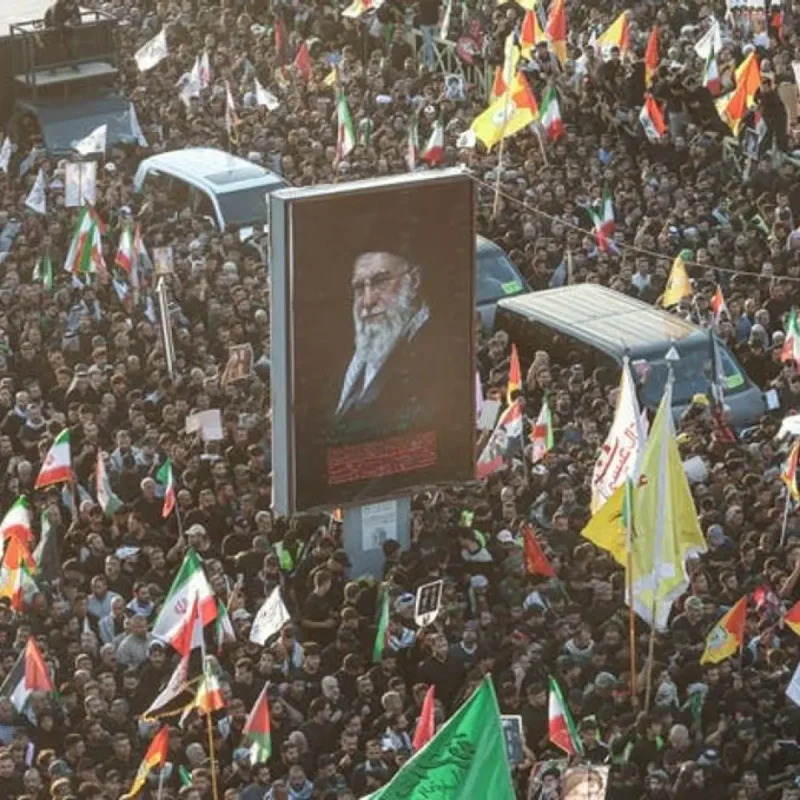
The military confrontation occurred during the final days of the funeral procession for Iran's late Supreme Leader Ayatollah Ali Khamenei, who was killed during the initial phase of the war.
U. S.
Central Command detailed that the operations aimed to force compliance with shipping safety rules along the vital international waterway.
"The unwarranted aggression by Iranian forces is a clear and dangerous violation of the ceasefire and undermines freedom of navigation," CENTCOM said in a statement.
The military command stated that its forces remained deployed to enforce the terms of the agreement.
Iranian parliament speaker Mohammad Baqer Qalibaf asserted that Tehran would resist international economic and military pressure.
"The era of bullying and extortion is over," Qalibaf said in a post on X. "We don't fold."
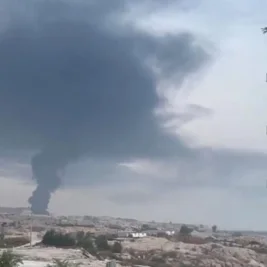
The official Iranian news agency reported explosions near major infrastructure sites, including Kharg Island, Qeshm Island, and the ports of Sirik and Bandar Abbas.
The Iranian joint military command condemned the western actions as an unlawful incursion into regional maritime management.
"The child-killing and terrorist U. S.
army ...
openly violated the ceasefire and violated the Islamabad understanding by launching an airstrike on a number of coastal bases and civilian stations on the coasts of Hormozgan and Mahshahr provinces," the Guard said.
Qatar's foreign ministry confirmed that its energy transport vessel sustained an engine room fire during the drone strikes.
Diplomatic negotiations scheduled to begin in Qatar following the state funeral remain stalled due to renewed hostilities.
"Not commence if threats continue," Iran's Foreign Minister Abbas Araqchi said.
U. S.
President Donald Trump, attending a NATO summit in Turkey during the attacks, has kept military options open, repeatedly threatening to resume bombing unless Iran agrees to a deal.