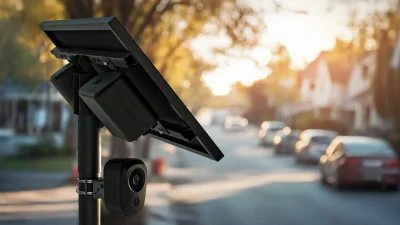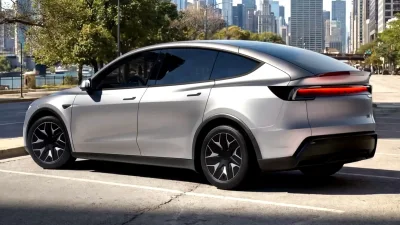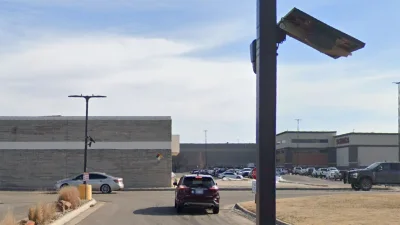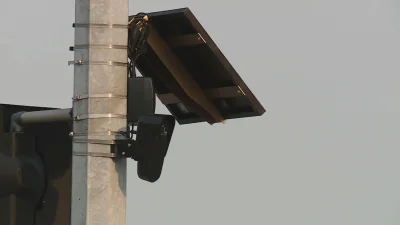
Private automated license plate recognition networks are photographing vehicles across the United States and adding each encounter to enormous databases.
Those records include plates, photographs, locations, and timestamps, and the information can be sold or made available to customers ranging from lenders and repossession companies to insurance companies and law enforcement.
Police ALPR networks have generated plenty of controversy lately, but determining exactly who is looking at privately held data, and why, can be considerably more difficult.
Nine Billion Photos and Counting
One of the biggest players is Digital Recognition Network, better known as DRN.
Today it is part of Motorola Solutions, which acquired DRN and its law-enforcement-focused sibling Vigilant Solutions when it bought VaaS International Holdings for $445 million in 2019.
At the time, Motorola described the business as providing vehicle-location data to both public-safety and commercial customers through fixed and mobile license plate reader cameras.
The scale is enormous, and it does not rely on DRN’s marketing claims to establish that.
A California appeals court recently noted that, as of May 2024, DRN’s system contained more than 9 billion historical license plate images.
Those are not simply nine billion pictures of license plates.
The court described records containing images of plates and vehicles along with the date, time, and location where each image was captured.
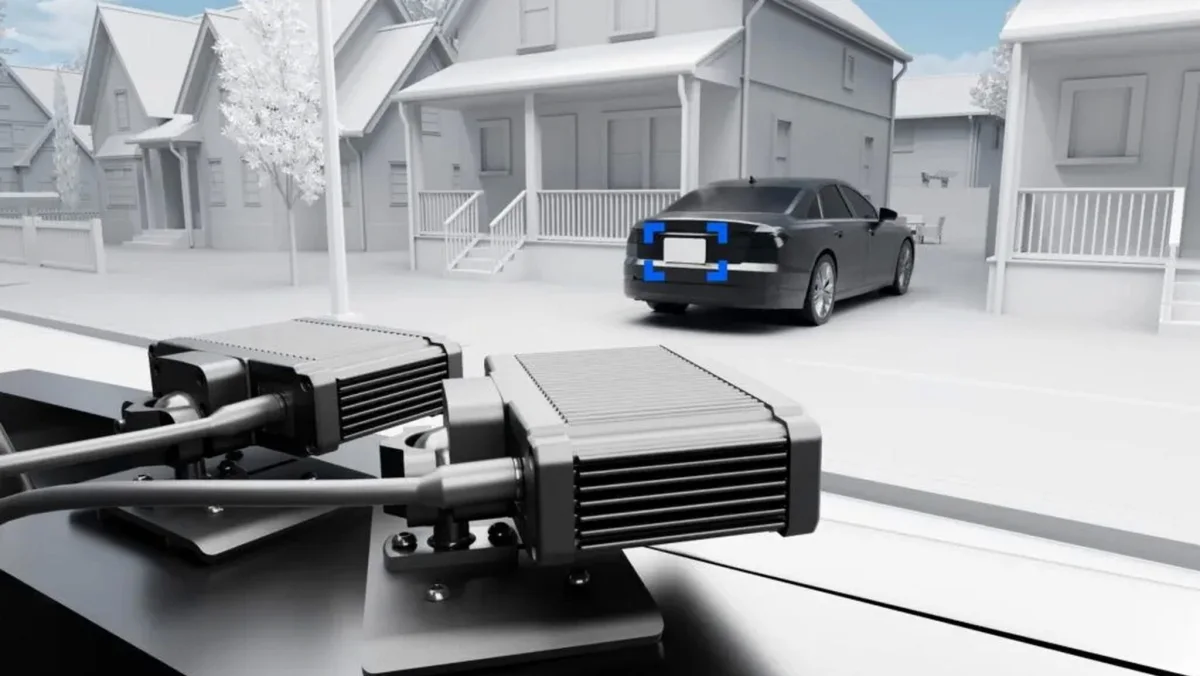
DRN sells ALPR hardware, including fixed cameras and mobile systems that can be mounted to vehicles such as tow trucks.
One random photograph of your car probably is not particularly revealing, but billions of them collectively become something very different.
DRN is not alone in collecting license plates at enormous scale.
MVTRAC, which primarily serves auto lenders and the repossession industry, says its network collects more than 500 million new LPR data points every month through a nationwide network of more than 600 recovery affiliates.
Flock Safety represents another model entirely.
Its cameras are used by private businesses, neighborhoods, apartment complexes, schools, and other organizations, which have the option of sharing vehicle data with law enforcement.
The companies and their business models are not identical, but the broader point is that privately operated cameras are already collecting enormous amounts of data about where vehicles are seen.
Your Insurer Can Use It
There is also no question about whether DRN sells access to its information.
A 2015 federal appeals court decision involving DRN described its business remarkably plainly.
Cameras mounted on tow trucks and other vehicles automatically photographed vehicles they encountered, recorded GPS coordinates, dates and times, and DRN sold the resulting license plate data to customers including automobile finance and insurance companies.
DRN still openly advertises insurance products built around that information today.
One called Garage Aware is designed to determine whether your vehicle is actually kept where you told your insurance company it is.
That is important because insurance rates can vary significantly based on where a car is garaged.
The system gets almost shockingly granular.
DRN’s developer documentation describes “sleep hour sightings” and has the ability to compare these observations with both the address provided by a customer and another location discovered through its data.
The system can even incorporate the difference in insurance premiums between ZIP codes.
Another product, Radius Response, uses license plate sightings to determine whether commercial vehicles are regularly operating beyond their declared geographic area.
Then there is Vehicle Sighting Search.
DRN advertises that to insurers as a way to “map vehicle movements” to investigate claims, identify suspicious patterns, and enforce policy compliance.
Images can be valuable too.
DRN says insurers can examine them for company signage, toolboxes, ladder racks, and trailers that might indicate someone is using a personally insured vehicle commercially.
Historical images can also help determine whether damage existed before an insurance claim.
To be clear, there are perfectly legitimate applications for all of this.
Someone claiming their Mercedes lives in rural Iowa when it is actually parked every night in downtown Chicago is withholding information an insurer legitimately uses to calculate risk.
The same applies to someone insuring a work truck as a personal vehicle.
The problem is that the technology capable of discovering those deceptions is also capable of revealing much more.
Consider what repeated sightings could establish.
A vehicle consistently photographed at one location overnight can potentially reveal where its owner lives.
Repeated appearances somewhere else during weekdays could suggest where that person works.
Other recurring locations could begin revealing routines, relationships, and habits.
If those sound like the same privacy concerns raised about police-operated systems, that is because the private networks operate with far less public scrutiny.