"The LS3 represents a huge and complex logistical and engineering undertaking," said Jean-Philippe Tock, Head of the LS3 Coordination Team.
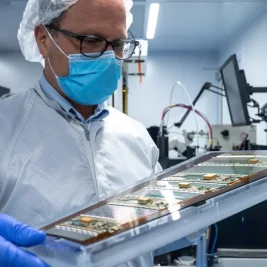
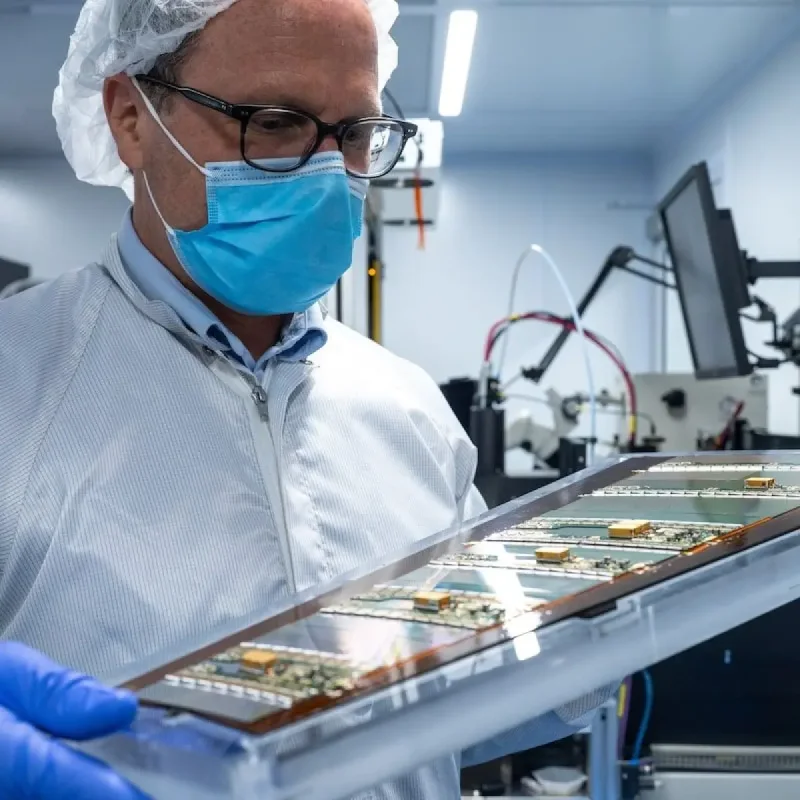
The planned alterations also feature Canadian-built components, including specialized silicon inner tracker sections and magnetic crab cavities designed to rotate proton beams to maximize particle collision probabilities.
"In the LHC alone, 1.2 km of magnets and components will be removed and replaced with new equipment, and across the whole complex, dozens of projects are planned, involving thousands of engineers, physicists, technicians and support personnel," Tock added.
Researchers in British Columbia face strict operational windows to deliver these ultra-sensitive tracking mechanisms to the Swiss facility before the targeted restart date.
"The theory landscape is wide open in terms of breakthrough discoveries, but we need the data to really shed light on this," said Bernd Stelzer, a professor at Simon Fraser University and a project leader on the effort.
Engineers at the TRIUMF particle accelerator center are coordinating their workflows with European schedules to prevent integration delays.
"The clock is ticking," said Luise Poley, a TRIUMF scientist and project manager for Canada’s share of a device called the ATLAS inner tracker.
The upgrade requires managing substantial modifications safely without compromising the delicate, pre-existing equipment that remains housed deep inside the subterranean caverns.
"Now things need to be installed, and now we have a deadline," Poley said.
CERN personnel stated that stopping the machine elicits mixed emotions due to the sheer volume of advanced engineering tasks scheduled for completion before 2030.