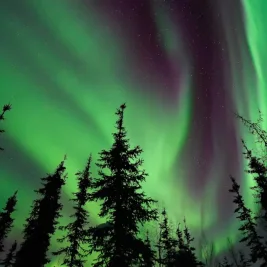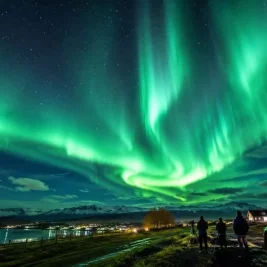
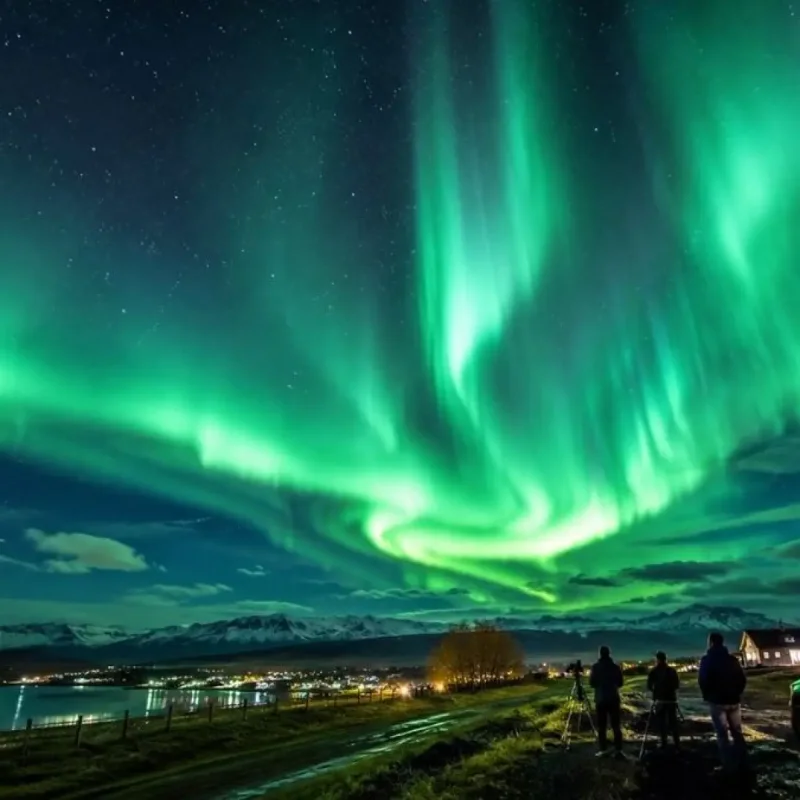
The agency noted that the potential for auroral displays would persist past the initial impact.
"These most likely with any following magnetic cloud, with the risk continuing into day 4 (01 Jul)," the forecast added.
Viewing Tips
To get the best view of the lights, which are typically most visible between 10 p. m.
and 2 a. m.
, observers are advised to move away from urban light pollution.
"We typically suggest getting away from cities and find an open field or hilltop to lay out under the stars and wait for the show to really peak at the late evening or early morning hours," said Tim Brothers, MIT Technical Instructor and Observatory Manager.
He suggested utilizing dark public parks to maximize visibility.
"In New England, heading for a local conservation area or park that keeps lighting off at night is ideal," Brothers said.
Amateur astronomers can use mobile phone cameras with long-exposure settings to capture the green glow, as sensors often detect faint aurora before the human eye.
>>> Supercell Teams Up with Football Legends for Clash of Clans Campaign
Space weather remains dynamic, and real-time updates are available via NOAA tracking tools and dedicated mobile apps.