>>> Canadian Retailers Launch Major Sales for Canada Day Shopping Season
Matthias van Rossum, a colonialism professor at Radboud and the International Institute of Social History, explained the shifting perspective.
“The new figures … rightfully shift the question from its narrow focus on the numbers of enslaved people displaced directly through long-distance slave trade to including those enslaved who were born in slavery or enslaved in other ways,” Van Rossum said.
Van der Valk's research covers regions like South Africa, India, and Sri Lanka, which were major Dutch territories before British rule.
It also includes Caribbean territories such as Guyana and Tobago, which remained Dutch until 1814.
The book argues that the historical timeline of Dutch involvement should start from 1595 rather than 1630.
It also argues the timeline should extend to 1914, when enslavement ended in parts of Indonesia, instead of the official abolition date of July 1, 1863.
Coen van Galen, an associate professor in colonial history at Radboud, described the calculation as a rough estimate.
He said it provides the first comprehensive indication of total victims across all Dutch colonies combined.
“Based on this work, comparable calculations could also be undertaken for the British empire and other colonial empires,” Van Galen said.
“Such estimates would, for the first time, provide a more comprehensive picture of the total number of people worldwide who were victims of colonial slavery.”
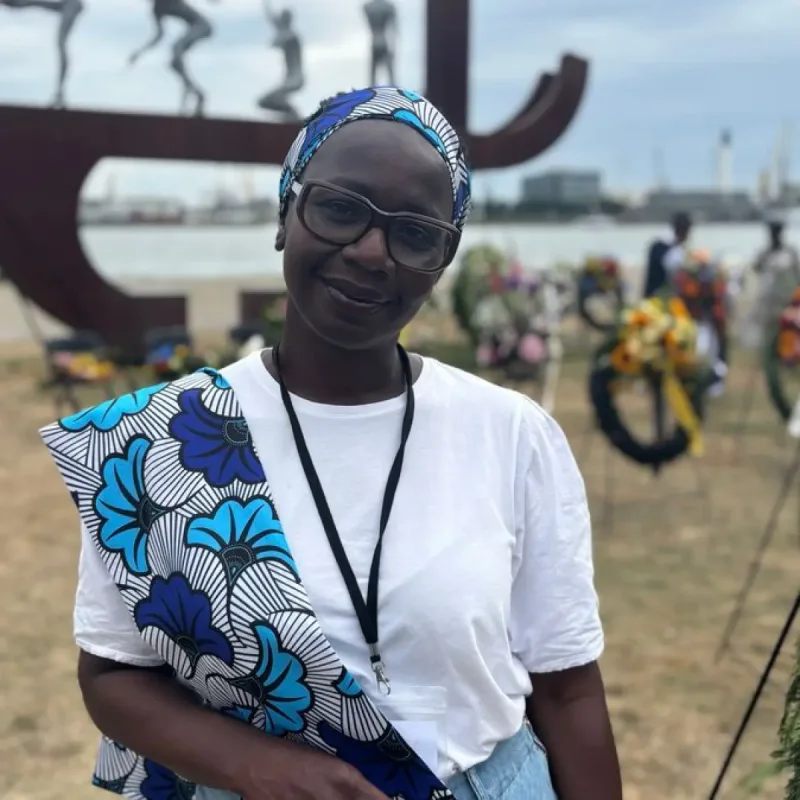
The publication emerges as black communities and Dutch territories urge Prime Minister Rob Jetten to follow up previous apologies with concrete action.
>>> Missing Leeds United Fan Found Safe in Barcelona Pub After 10-Day Search
This aligns with a recent United Nations resolution declaring the trafficking of enslaved Africans as a grave crime against humanity.