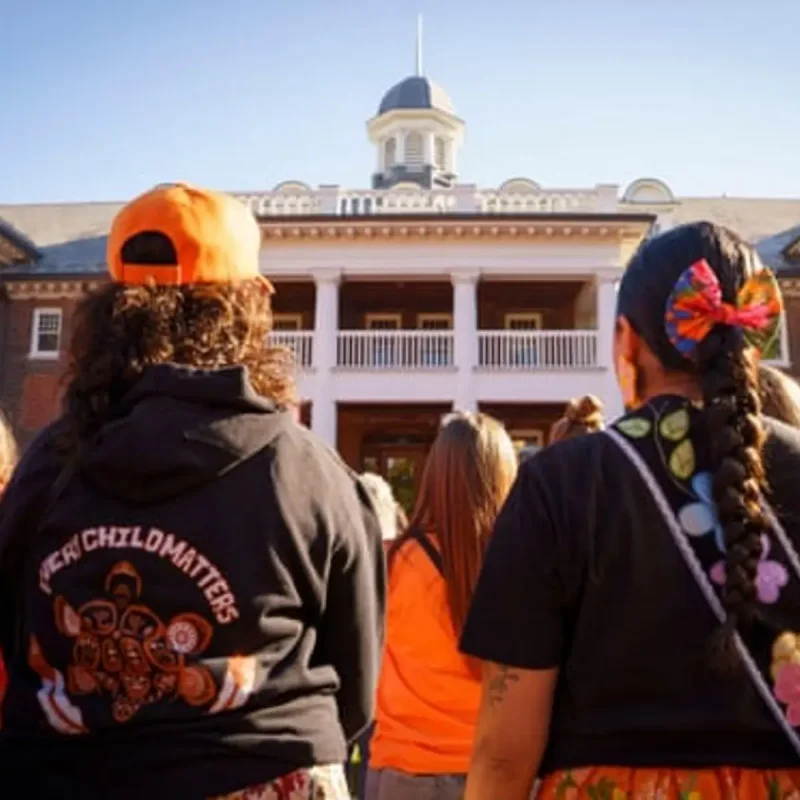
The transformation occurs amid what activists describe as a backsliding in reconciliation, where deniers claim the institutions benefited Indigenous children.
Fast-tracked infrastructure legislation threatens First Nations sovereignty, with groups reporting a lack of consultation over major construction projects.
Sean Carleton, an Indigenous studies professor at the University of Manitoba, highlighted that commemoration serves as a public education tool against denialism.
"If we look at other contexts of genocide, commemoration has played a really important role in facilitating that public awareness to combat things like denialism," he said.
Canada retains close to 140 former residential school sites, with the final facility closing its doors in 1997.
>>> Midnight Massacre in Rural Haiti: Gang War Spreads Beyond Capital
While some locations like the Shingwauk centre became education hubs, survivors at the Lower Post residential school voted for complete demolition.
Doug George-Kanentiio, a survivor of the Mohawk Institute, now works as an educator at the newly opened museum.
Federal employees took him from his home in 1967, making him a ward of the state confined to the school for over a year.
He remembers encountering asbestos around heating ducts, drinking water from lead pipes, and experiencing severe malnourishment from the restricted diet.
George-Kanentiio stated that people must be immersed in historical atrocities to truly understand the residential school system.
"Why do I keep coming back? The basic reason is, inside the confines of that building, there are still remnants.
There's still children that are held, their spirits imprisoned," he said.