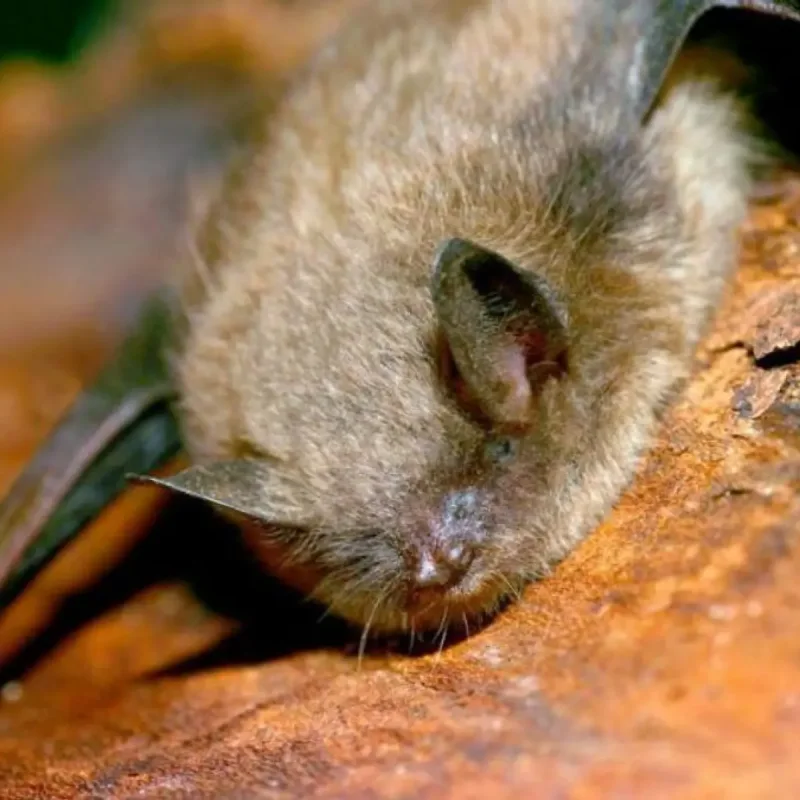
Infectious disease physicians in Canada are warning about rabies transmission risks after a medical report detailed the death of an 11-year-old boy who encountered a bat in Ontario in 2024.
The report, published in the Canadian Medical Association Journal, highlights the tragic incident to emphasize that better public awareness can prevent fatal viral transmissions.
The child passed away after a bat rested on his face while he was sleeping at a cottage.
The family did not seek immediate medical care because they observed no visible scratches or bites.
Physicians described the case as "exceedingly rare."
Canada has documented only 28 cases of rabies since 1924, with the most recent confirmed case in Ontario occurring in 1967.
Bats are the primary reservoir for the rabies virus in North America, outpacing raccoons, skunks, and foxes.
Because bat teeth and claws are minuscule, physical signs of an encounter are often missed.
Nineteen days after exposure, the child began experiencing neurological symptoms, including localized numbness and swelling. Hospital staff initially suspected a different condition before learning about the bat encounter.
An MRI scan revealed lesions on the child's brain stem, and laboratory tests confirmed rabies.
The medical team discussed experimental interventions but decided against them due to their "invasive nature and lack of established efficacy."
The rabies virus has an extended incubation period but becomes universally fatal once clinical symptoms appear. Immediate post-exposure prophylaxis is "nearly always effective" when administered promptly.
The authors concluded that "early recognition of exposure and timely PEP remain the only effective means of rabies prevention."