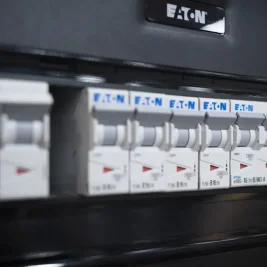

In some instances, high heat and humidity knocked medical MRI scanners completely offline.
Stéphanie Rist, France’s minister of health, confirmed that emergency medical service calls have increased by 30 percent due to the soaring temperatures.
>>> Marc-André ter Stegen Nears Ajax Loan Move from Barcelona
"We know that every heat wave leads to excess mortality. We also know that preventive measures can prevent deaths," said Rist.
Climate risk expert Hans-Martin Füssel from the European Environment Agency noted that implementing urban cooling solutions remains a complex challenge for local authorities.
"It's not rocket science to come up with solutions, but of course, the implementation can be difficult," said Füssel.
Füssel pointed out that structural modifications are particularly difficult for renters and historical properties.
"Air conditioning can be a solution if it's done in the right way," said Füssel.
He warned that those who need cooling the most often lack the authority to install it.
Clair Barnes, a research associate at the Grantham Institute for Climate Change and the Environment, explained that current European temperatures are two to four degrees higher than they would be without human-caused warming.
"What's happening under climate change is that many of these extreme events are becoming intensified," said Barnes.
Similar climate vulnerabilities are emerging in New Zealand, where new research indicates that future peak summer temperatures could cause thousands of heat-related deaths annually by 2100.
>>> DFB Targets Jurgen Klopp After Nagelsmann Resigns
Computer modeling for Auckland and Christchurch shows that summer electricity demand will eventually overtake winter demand, costing providers and consumers an average of NZ$640,000 for each excess life saved via heat pump cooling systems.