
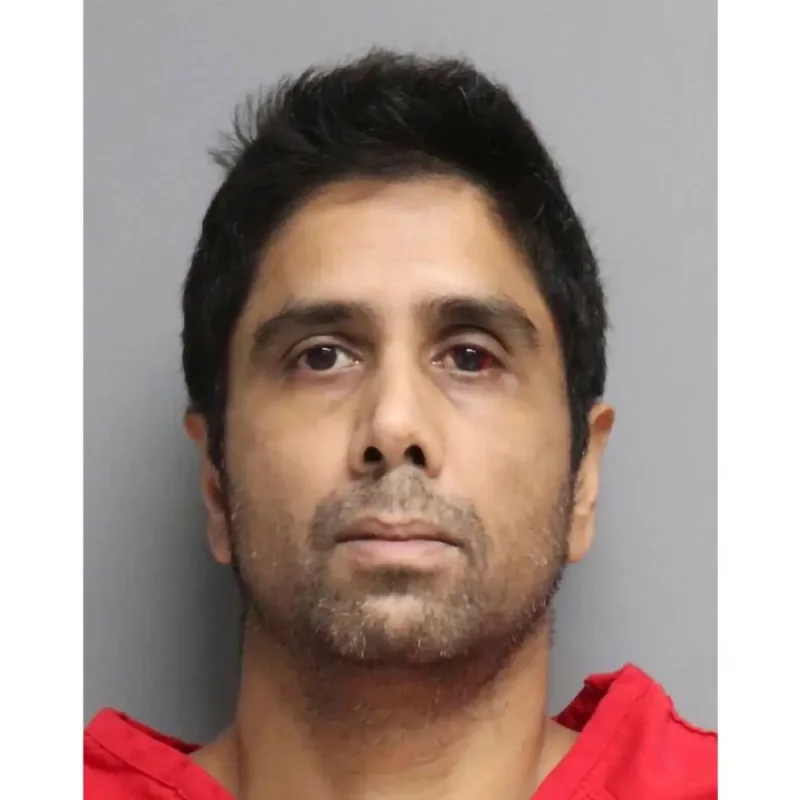
The district attorney's office argued that attempted murder should be legally excluded from mental health diversion eligibility under California law.
Wagstaffe said he would continue to push for legislative change.
"We'll try again in the future," he said. "We're not giving up."
Wagstaffe criticized the statutory framework for failing to deliver justice in a case involving alleged premeditation against a family.
"My complaint is with the law itself," Wagstaffe said.
>>> Red Bull F1 Relationship Strained as Performance Clause Triggers
He noted the stark contrast between the current resolution and the severe penalties that would have applied had the plunge been fatal.
"We felt that the crime was way too serious, and allowing diversion for somebody who had, with premeditation and deliberation, planned to kill his two small children and his wife, as well as himself, was not good for public safety," Wagstaffe told The Times.
Patel monitored his outpatient progress through a GPS bracelet while residing with his parents in Belmont and checking in weekly with the court.
"He complied with the conditions," Wagstaffe said. "There was no basis whatsoever for the prosecutor to somehow object and say no to it."
The prosecutor reflected on the legal leniency received by the defendant.
"Wow, boy, did he get the break of breaks," Wagstaffe said. "I hope he takes advantage of it."
With the criminal case now sealed and his passport returned, Patel is legally permitted to return home without further supervision.
"He can drive home tonight," Wagstaffe said. "It's like the case never happened."