Unfortunately, innovation alone has never guaranteed commercial success.
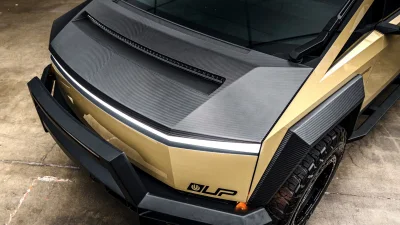
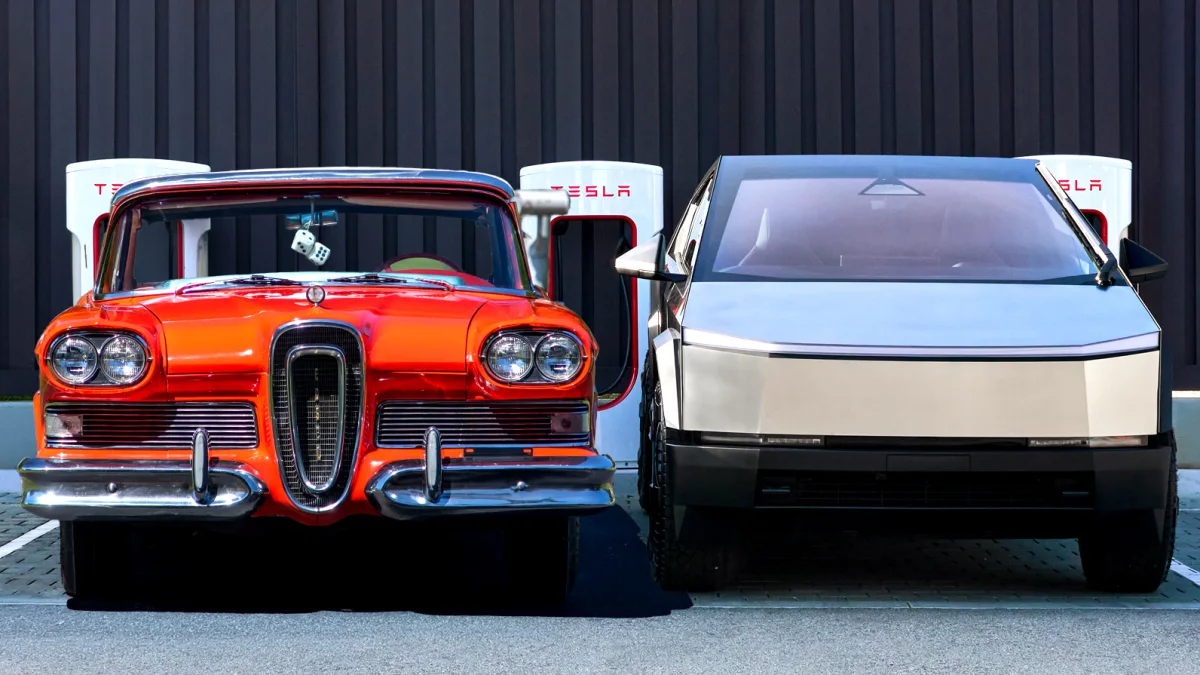
Like the Edsel before it, the Cybertruck asks buyers to embrace styling that's anything but conventional.
It also became substantially more expensive than many expected after its long development cycle, with early production models costing well into six figures despite Tesla initially discussing a much lower starting price during its unveiling.
Then there's another hurdle the Edsel never had to clear. Whether deserved or not, the Cybertruck has become inseparable from Elon Musk himself.
For many buyers, it's no longer just an electric pickup but a public statement about the man behind the company.
That association has almost certainly narrowed its appeal even further, regardless of what owners or reviewers think about the truck itself.
History has been kinder to the Edsel than buyers were in 1958.
Today it's appreciated for its ambition as much as its mistakes, proving that commercial failures can still leave a lasting mark on automotive history.
The Cybertruck appears primed to follow the same path.
It could end up remembered as one of the industry's biggest sales disappointments while simultaneously influencing the next generation of vehicle engineering.
Those two things aren't mutually exclusive. History suggests they often go hand in hand.