Tokyo's metropolitan government is offering generous purchase subsidies for electric vehicles and hybrids, with total discounts reaching up to 2.6 million yen ($16,320) per vehicle.
The program aims to boost EV adoption in a market where electric cars account for just 1.6 percent of new car sales.
How much a buyer saves depends largely on the vehicle's brand.
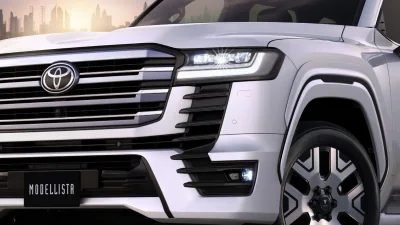
Toyota, Nissan, and Honda models qualify for the highest local subsidy of 400,000 yen ($2,510), while Mitsubishi, BMW, Mercedes-Benz, and Tesla receive 300,000 yen ($1,880).
BYD models get only 100,000 yen ($620), and Daihatsu receives no manufacturer-based incentive.
Stacking Incentives for Maximum Savings
The new scheme increases subsidies for EVs and hybrids by 300,000 yen ($1,880), bringing them to 1.3 million yen ($8,160) and 1.15 million yen ($7,220) respectively.
Additional incentives include 100,000 yen ($620) for vehicles with vehicle-to-load capability, 100,000 yen ($620) for charging equipment installation, and 150,000 yen ($940) for using renewable energy providers.
Buyers with solar power at home or work can receive an extra 300,000 yen ($1,884).
A further 200,000 yen ($1,250) is available under a “green transformation category.”
These local incentives stack with federal subsidies, which also offer up to 1.3 million yen ($8,160), but vary by battery origin.
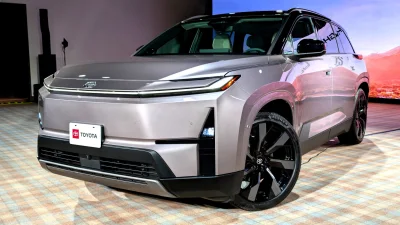
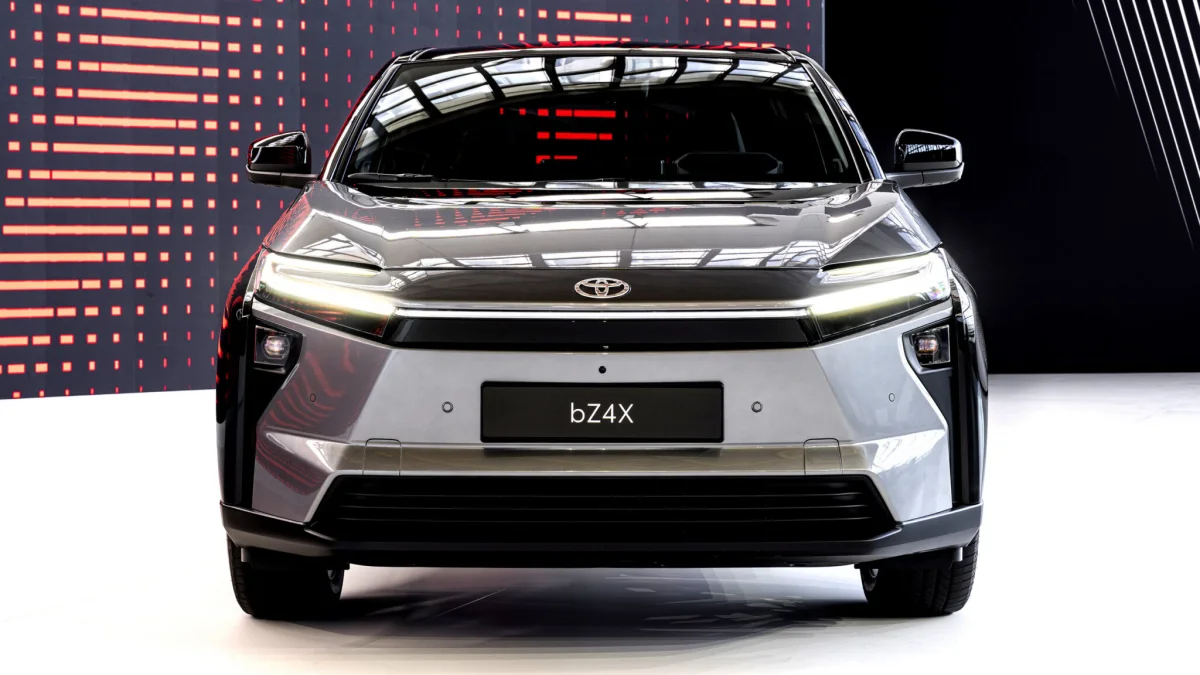
For example, the Toyota bZ4X qualifies for the full national subsidy.
Combining Tokyo's maximum incentive with the federal subsidy brings the total discount to 2.6 million yen ($16,320), reducing the car's 4.8 million yen ($30,150) sticker price to roughly 2.2 million yen ($13,820).
Tesla Prepares for Demand Surge
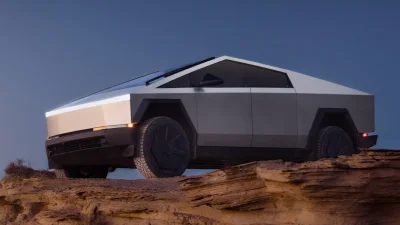
Tesla is bracing for increased demand, having sold over 10,000 vehicles in Japan in 2025, more than double its 2022 record.
In the first half of 2026, sales have already reached around 12,000 units.
The company has stopped selling premium models like the Model S to focus on the mass-market Model 3 and Model Y.
To handle growth, Tesla is expanding its delivery network from seven to 11 locations by year-end and doubling its import capacity to roughly 48,000 vehicles annually.