General Motors is finding that selling subscriptions is far more profitable than selling cars.
The automaker's software and services business keeps roughly 70 cents of every dollar it generates, according to a report from Business Insider.
In contrast, traditional vehicle sales yield only 4 to 10 cents per dollar. This stark difference explains why GM and other automakers are aggressively pursuing recurring revenue streams.
OnStar and Super Cruise Lead the Way
OnStar, GM's connected-services platform, generated about $800 million in the second quarter alone. It continues to add customers at a healthy pace.
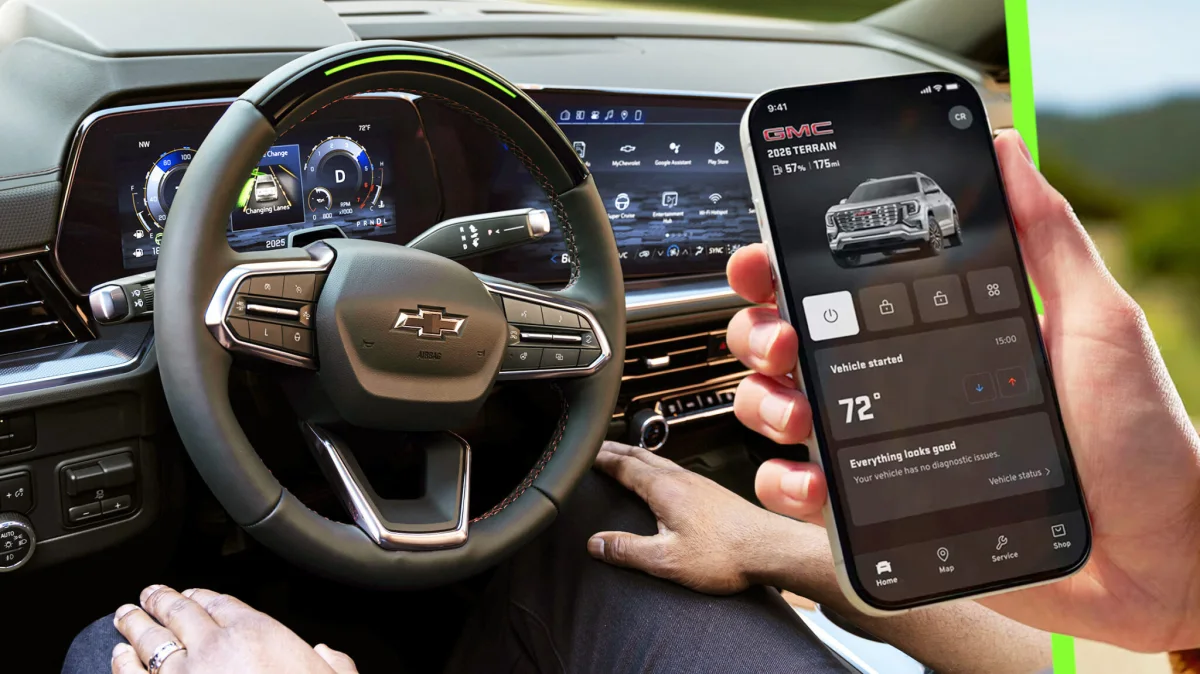
Super Cruise, GM's hands-free driving technology, is another major contributor. Many owners choose to subscribe after the complimentary period ends, paying $39.99 per month.
GM expects to have 850,000 Super Cruise subscribers by the end of 2026 and nearly 13 million OnStar subscribers.
CEO Mary Barra told investors during an earnings call that the company sees “tremendous levers, multiple levers of growth.”
She highlighted opportunities to improve profitability and reduce dependence on the industry's boom-and-bust cycles.
GM is not alone in this strategy.
Tesla shifted its Full Self-Driving offering to a subscription model, Ford charges recurring fees for BlueCruise, and Mercedes, Audi, and BMW are experimenting with software-based upgrades activated after purchase.
Modern vehicles are essentially rolling computers, allowing automakers to sell features, services, and connectivity long after the initial sale.
For car companies, this is an appealing future. For drivers, it means monthly bills may continue even after loan payments end.