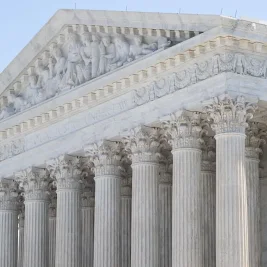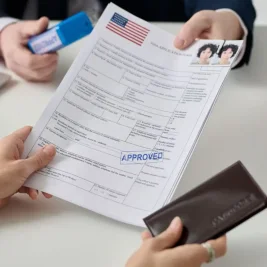
The Trump administration has defended its plan to deport Haitian immigrants following a Supreme Court decision that allows the government to end Temporary Protected Status (TPS) for Haiti.
Homeland Security Secretary Mullin and White House adviser Stephen Miller stated that Haiti is safe for its own citizens, even as the U.
S. State Department maintains a Level 4 “do not travel” advisory due to rampant gang violence.
Administration Cites Temporary Nature of TPS
Department of Homeland Security General Counsel James Percival emphasized that TPS is inherently temporary, and recipients have had years of notice.
“President Trump has been trying to end these programs for nine years, so these people have been on notice for nine years that this day is coming,” Percival said in a Fox News interview.
He added that affected individuals can still receive a $2,600 check and a free flight home, framing the end of TPS as “closing time.”
White House adviser Stephen Miller dismissed concerns about safety, stating that Haitians can live in their own country.
“Haitians live in Haiti. It’s not of our position that Haitians should leave Haiti,” Miller said during a press briefing.
Officials Address Safety and Logistics
Secretary Mullin countered safety concerns raised by CNN’s Jake Tapper, noting that the “do not travel” advisory is for U.
S. citizens, not Haitians.
“That do not travel is not for Haitians,” Mullin said.
“That’s do not travel for the United States, because they are kidnapping or trying to kidnap individuals from the United States because they feel like their family has the money to pay the ransom.”
Mullin explained that the administration evaluates multiple factors beyond standard travel advisories when planning deportations.
He also noted that many TPS recipients have been in the U. S.
for 18 to 30 years and have had ample opportunity to change their status.
“They have had plenty of time to reestablish their status inside the United States. They have just chose not to,” Mullin said.
The administration plans to use dedicated deportation flights to areas where commercial travel is suspended, with the goal of repatriating individuals to help restore their home countries.
The Federal Aviation Administration maintains a ban on domestic commercial aircraft landing in Port-au-Prince until at least September 2026.
Haitian professional athletes have expressed concern about conditions in their country, with striker Don Deedson Louicius noting that people are fleeing their homes due to gang violence.