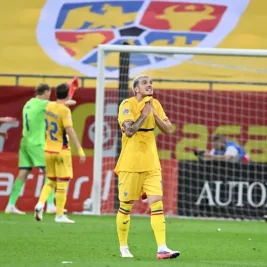
FIFA is facing intense criticism from fans, players, and managers over the implementation of mandatory hydration breaks during matches, according to The Guardian.
The newly introduced four-quarter structure significantly alters the traditional flow of the game, sparking widespread indignation across multiple stadiums.
During a recent match between England and Ghana at Boston Stadium, players who attempted to drink water early were stopped by refereeing officials who strictly enforced cued commercial timings.
Supporters inside stadiums have heavily booed these official intervals, with negative reactions observed among Dutch, Spanish, Czech, Mexican, Japanese, Colombian, and Saudi Arabian fanbases.
Prominent Figures Condemn Changes
Prominent football figures have openly condemned the structural changes, highlighting the negative impact on the tactical fabric of the sport.
Thomas Tuchel expressed deep dislike for the system, while Kai Havertz labeled the interruptions annoying, and Marcelo Bielsa warned of severe fissures in the deep soul of football.
Conversely, Ralf Rangnick declared himself "excited" by the innovation and recommended its adoption in European football tournaments.
FIFA President Gianni Infantino enforced the regulations in his capacity as executive law-maker, securing increased television rights and commercial revenues through the extra broadcast spaces.
The restructuring represents the largest alteration to football since 1897, when the game was officially codified into two distinct 45-minute halves.
Critics argue that removing the physical and mental exhaustion of continuous play simplifies tactical manipulation and eliminates the challenge of controlling mid-game momentum.
Paraguay head coach Gustavo Alfaro raised concerns regarding commercialization and the loss of connection between the sport and its traditional fanbase.
"That is what we must defend," Alfaro concluded.