What was the last thing that made your body feel good?
The first sip of tea, the warmth of a cat's fur, or the satisfying click of a bike lock?
According to Ian Bogost, author of The Small Stuff: The Sensory Enchantment of Everyday Life, these tiny moments of gratification are everywhere—if we only pause to notice them.
Bogost, an interdisciplinary academic and video game designer, argues that modern life has become “dematerialised.”
We glide through frictionless, automated routines, missing out on the physical world's subtle pleasures.
His book is a call to fight back by embracing the sensory enchantment hidden in ordinary objects.
Finding Gratification in the Mundane
From the ridges on a paper coffee cup sleeve to peeling plastic film off a new appliance, Bogost catalogues these overlooked delights.
He describes the “orthogonality” of contrasting textures—like crunchy granola in smooth yogurt—as a source of deep satisfaction.
But can someone who is clumsy or sensitive to sensory input find enchantment?
One writer decided to test it over a week, despite a history of bumping into things and hating certain noises.
The answer, it turns out, is yes.
Bogost distinguishes this approach from mindfulness.
“It’s exactly the opposite—getting out of your head and into your body and into the world,” he says.
It’s about “bodyfulness,” not just mental presence.
Everyday Experiments in Sensory Joy
On day one, the writer tried manual coffee grinding. Though it hurt her elbow and took too long, the haptic satisfaction and rich aroma were rewarding.
She learned that enjoying a machine-made coffee is also valid—pleasure doesn't require going analogue.
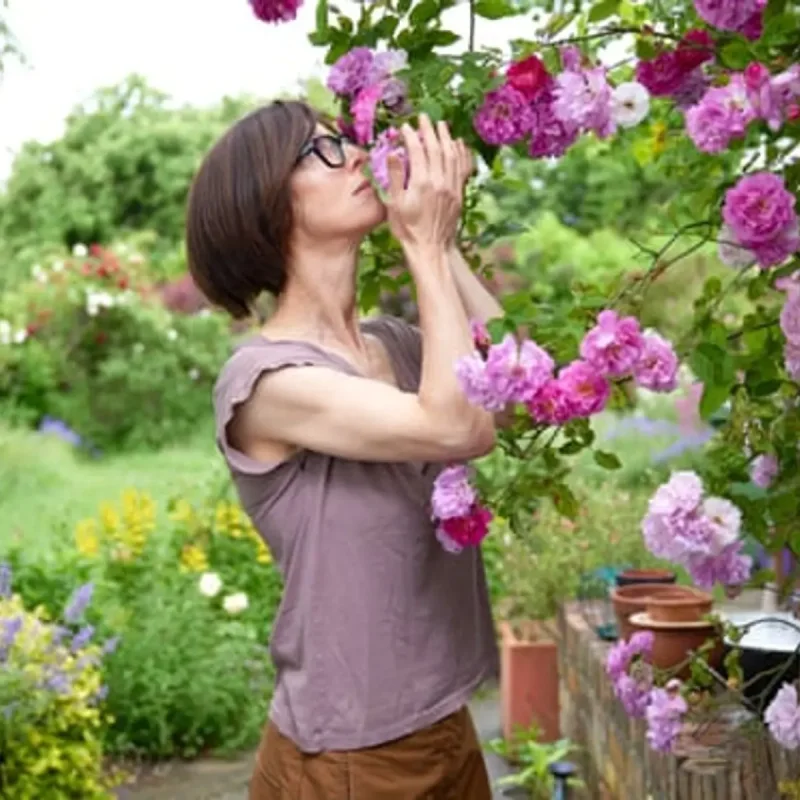
Day two brought a trip to a repair cafe, where she discovered the joy of touching plants. The grainy seedheads, velvety leaves, and soft roses became irresistible.
She even licked a fig tree—not for her, but the attempt was part of the exploration.
Food offered a reliable route. A lunch of garden lettuce, nuts, and crunchy peanut butter on charred sourdough became “ecstasy.”
The combination of textures exemplified Bogost's orthogonality.
On day three, she explored tools.
Her husband's drill provided a satisfying “clonk,” and a custom keyboard enthusiast introduced her to the “thocc” of key presses.
Even her MacBook felt gratifying—the bounce of keys and smooth trackpad.
Day four focused on a new mug. A forgotten sea-green cup with ridges and an unglazed bottom became a tactile treasure.
She also mourned the loss of her dog Oscar, recalling the pleasure of stroking his silky ears—a reminder that sensory joy can be bittersweet.
Day five was stressful, but pinching tomato plant side shoots in the greenhouse slowed her down.
The neat pincer movement, hairy stems, and crushed-leaf smell provided a reliable escape.
Bogost notes that even fleeting moments of gratification matter: “If it lasts a second, that’s enough.”
On day six, she watched a chef sharpen a knife and quarter a cherry tomato with precision. The crafting and weight of the tool were deeply satisfying.
The week's lesson: sensory pleasures are abundant and free. They don't require special skills or expensive equipment—just attention.
As Bogost says, “There’s no scarcity to sensory experience—there’s more pleasure to be had.”