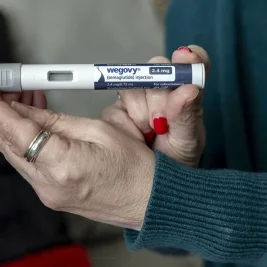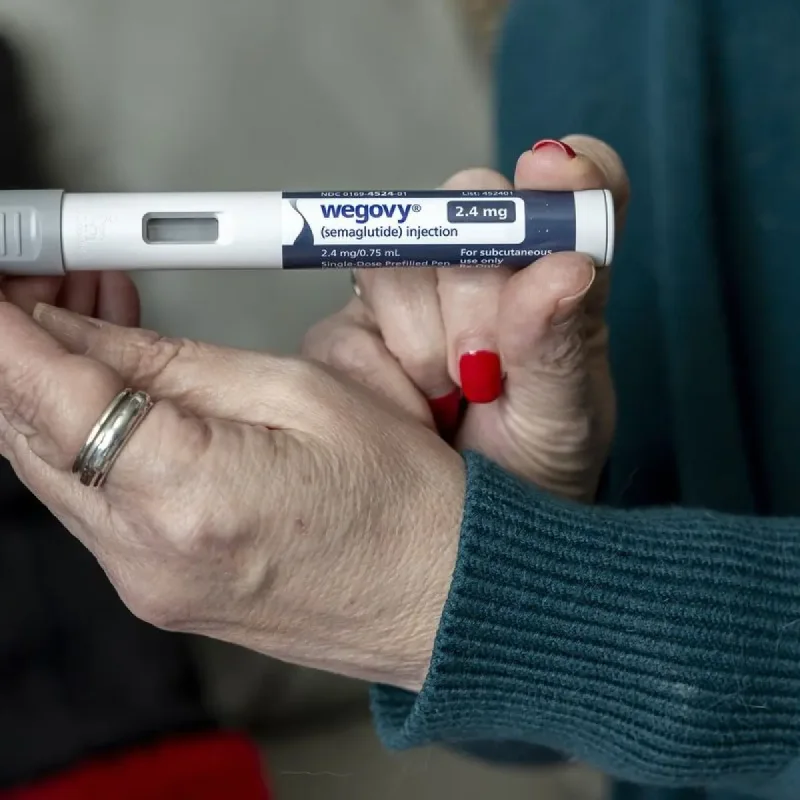
Researchers are exploring whether popular GLP-1 weight loss drugs such as Ozempic and Zepbound could extend human lifespan.
A preliminary study published last month has sparked interest in their potential anti-aging effects.
Early Evidence from HIV Study
The initial study examined individuals with HIV and lipohypertrophy who took semaglutide for eight months.
Blood tests measuring age-related biomarkers indicated a slowing of biological aging in participants, who typically experience accelerated aging due to the infection.
"The trial provided us an opportunity to say, hey, is there any signal here that warrants all the hype?"
said Michael Corley, an associate professor of medicine at the University of California, San Diego’s Stein Institute for Research on Aging.
Mechanisms and Risks
Early evidence suggests these drugs may influence biological aging pathways by reducing chronic inflammation and improving metabolic health.
However, medical experts caution that extensive evidence showing lifespan extension in healthy individuals remains unavailable.
Potential risks such as muscle loss and reduced bone density raise concerns about frailty in older adults.
Nicolas Musi, director of the Diabetes and Aging Center at Cedars-Sinai, stated that off-label use of these drugs solely for longevity purposes is currently not recommended.
Ongoing Clinical Trials
Several clinical trials are underway to further analyze the impact of GLP-1 medications on inflammation, mobility, and strength.
Researchers hope these studies will provide clearer answers about the drugs' potential to slow aging.
For now, the scientific community advises caution.
While the early signals are intriguing, more robust clinical evidence is required before any recommendations can be made for healthy individuals seeking longevity benefits.