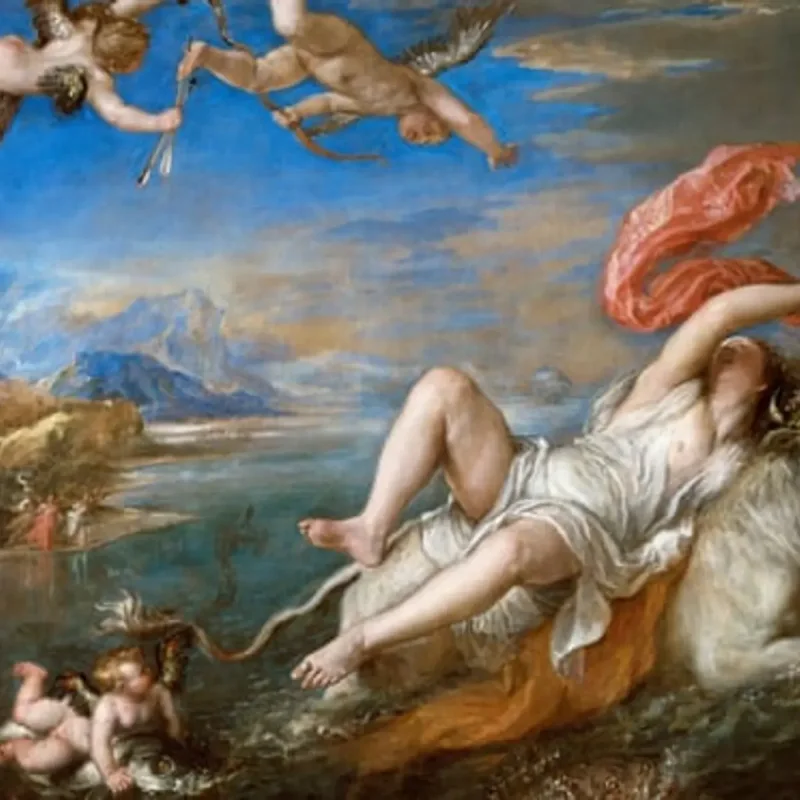
Daisy Dixon's new book, Depraved, offers a timely and punchy survey of history's most taboo and twisted artworks.
It argues for better curation and confrontation rather than censorship.
Exploring Taboo Art Forms
The book shakes up conventional art history by analyzing not just traditional media like 16th-century paintings and novels, but also modern mediums such as video games and pornography.
It covers highly disturbing topics, from performance art involving live goldfish being pulverized in blenders to shocking films depicting pedophilia.
It even references controversial video games like Rape Day.
Dixon refuses to let the reader look away from how art can depict or encourage harm.
Five Ways Art Can Be Depraved
According to Dixon, art can be categorized as depraved in five distinct ways: it can show an immoral state of affairs, cause someone to do a bad thing, express a dangerous message, be created by an immoral artist, or be made in a morally suspect way.
The book demonstrates that even good faith intentions can result in depraved artistic speech.
It cites the 2017 Whitney Biennial protests surrounding Dana Schutz's painting of Emmett Till's mutilated body.
Dixon notes that history is full of art altering our moral compass.
She points to historical examples like Moors murderers Ian Brady and Myra Hindley reading the Marquis de Sade, or 1990s concerns regarding Marilyn Manson corrupting youth.
Depraved is an intensely passionate and provocative book.
It is highly recommended for art historians, philosophers, and cultural critics seeking a loud confrontation with the darkest corners of human creativity.