Watching their love blossom is deeply moving.
The film won the special jury award for journalistic impact at Sundance, plus prizes at Thessaloniki, Seattle, and Visions du Réel.
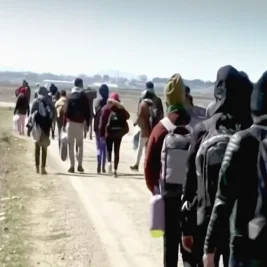
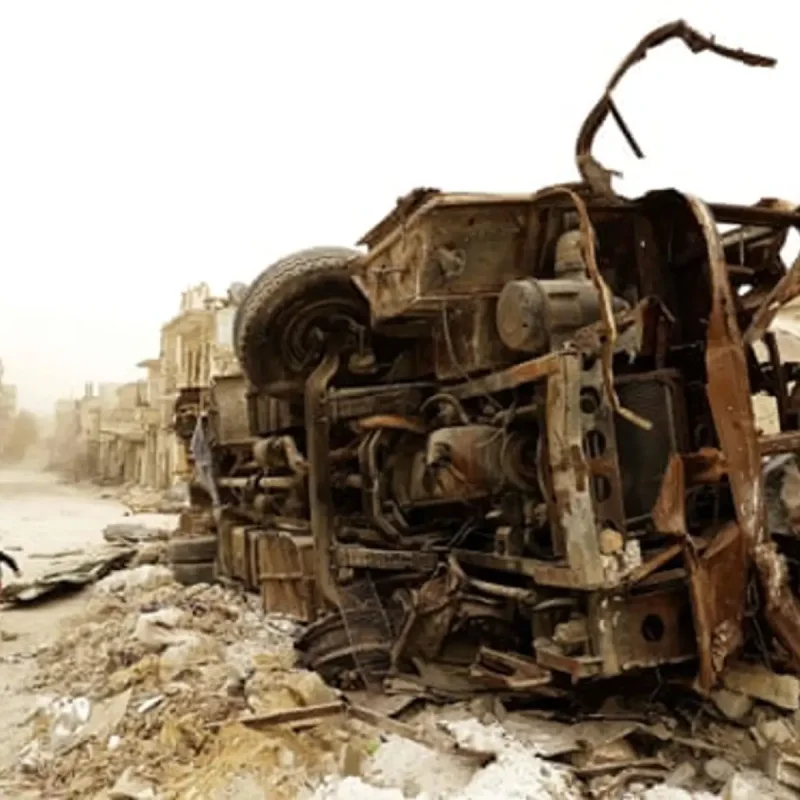
After the convoy bombing, Habak escaped Syria with smugglers, crossing into Turkey.
Boulos flew to visit him, and within months they decided to marry—something she kept from her disapproving parents until the film premiered.
"It was unbelievable," says Habak.
"That this person would come from London to see me, a man from a war zone with nothing to offer."
He left Syria with only his camera, hard drives, and clothes. He now lives with Boulos in London.
Meeting Habak in Turkey was a "no-brainer," Boulos says. "It was harmless chatting online—but it shifted to something real.
>>> Trump Administration Overhauls Federal Student Loan Programs
I really cared about him and his safety." She spent nights when he had no internet wondering where he was.
"I realized I really cared for this man when we met in Turkey."
The film captures the disconcerting element of modern conflict journalism. In their first exchange, Habak asked Boulos: "Who are you?"
She had only his word that he was an activist. Trust grew over weeks and months.
"She talks to me like she sees me. Not as news, not as a story," says Habak.
Another time, Boulos left a voice note: "You are more than a story to me." They used pet names—bird, my bird—creatures that can leave frontlines behind.
After Habak joined her in London, Boulos quit the BBC.