They set up Habak Films, an independent production company focusing on stories from Lebanon, Syria, and the region.
"It is a struggle when people back home are being killed daily," says Boulos.
"I have the privilege of London, so let's be this company that bridges local voices to Western audiences."
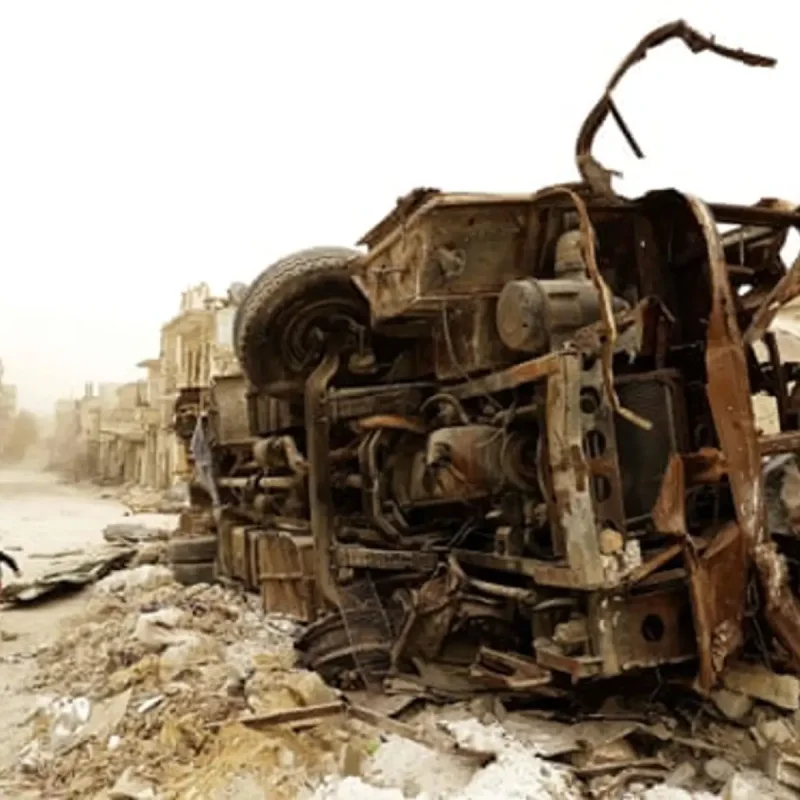
The film is careful not to show too much violence. The filmmakers chose not to feature graphic content or amplify explosions.
Psychotherapist Rebecca Day helped with the editorial process. Habak labeled his footage: green for safe use, orange for distressing, red for material not needed.
"Making this film has been healing," he says.
Footage of doctors after bombings is interspersed with a man tending his roof garden or friends joking.
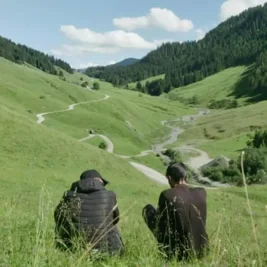
The bleakness of Syria contrasts with the sparkling Mediterranean when the couple meets in Turkey and goes paragliding—like birds.
"We talk about responsibilities film-makers have towards sources," says Day. "But it's also important to consider the film-maker's perspective.
It can be a huge burden, but they don't have to carry it alone."
The film ends after Habak returns home for the first time in years, following the Syrian opposition driving Assad from power in late 2024.
Yet the future for Syria and Lebanon remains uncertain. "How long can we keep doing this?"
>>> Ferdinand Predicts Man United Move for Real Madrid's Tchouameni
asks Boulos. "Just until the wars finish," Habak replies.