"We know that different [types of poultry] have different likelihoods of infection, such as ducks having more than chickens based on biosecurity practices and individual host responses," Prosser said.
Beebe recalls the financial toll of his previous salmonella quarantine on June 6, 2024, which halted all farm income while maintaining high daily operational costs.
The state quarantine forced the cancellation of supplier orders and generated local rumors before the farm ultimately chose depopulation over expensive individual retesting.
"Once you have one bird positive, you have to depopulate the entire flock.
It's sad, but that's a mandatory USDA rule," said Indu Upadhyaya, poultry and food safety expert at the University of Connecticut.
The farm had to euthanize its birds using carbon dioxide gas chambers over a ten-day period, missing the vital Thanksgiving turkey revenue season entirely.
The quarantine lifted in February 2025 after extensive environmental testing, but the total cost of rebuilding the lost bloodlines is estimated near $50,000.
Agricultural officials confirmed that indemnity programs exist specifically for mandatory avian influenza control but do not cover losses from other private business disease risks.
Tardif Poultry Farm continues to fund its ongoing repopulation independently without state or federal financial offsets for the salmonella losses.
The exact source of the previous bacterial contamination remains unknown to the owners.
The farm relies entirely on direct customer sales to recover its substantial financial losses.
Operational adjustments continue as new batches of chickens arrive at the facility.
The high prices of replacement poultry slow down the full restoration of the farm's original production capacity.
"I worked on the bloodlines of some of the birds for 10 years, and it's all gone," Beebe said.
The state agricultural department maintains that testing costs for non-influenza diseases remain the sole responsibility of individual farmers.
Current state programs do not feature specific funds to offset these private operational deficits.
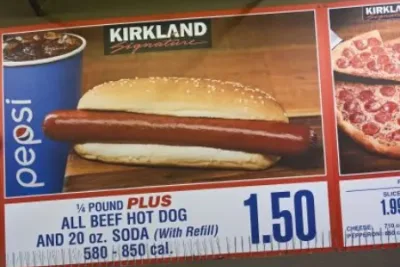
>>> Experts Reveal Health Risks Behind Americans Consuming 50 Billion Hot Dogs Annually
"We do not have a program at the current time that would offset any of the losses," said Bryan Hurlburt, commissioner of the Connecticut Department of Agriculture.