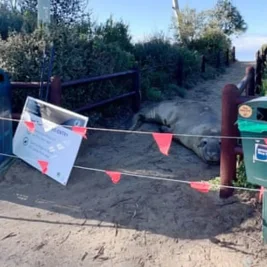
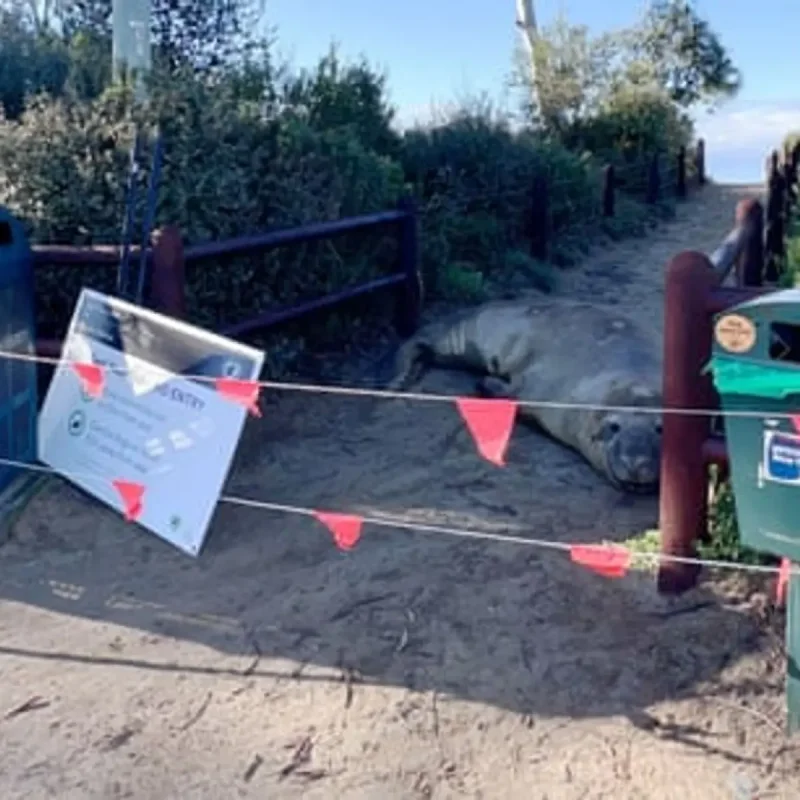
Thamman explained that the seal's natural instinct to play-fight could cause severe harm if directed at humans in populated zones.
"It's very dangerous to both the members of the public and it places the long survival of Neil as an elephant seal visiting our shores in great jeopardy as well," said Thamman.
>>> Eddie Howe Faces Job Risk at Newcastle Over Midfielder Sales
He pointed out that while global authorities have culled wild animals under similar circumstances, Tasmania intends to use a different strategy with community cooperation.
"There's Freya, the walrus, and many other circumstances in the northern hemisphere where such large, powerful animals have not been tolerated by society and they have been euthanased," said Thamman.
"Now, I'll make it very clear that that is not our management approach, but we need the help of society.
We need the help of members of the public to appreciate Neil, but not feel the desire to be in his face, not feel the desire to need to have a selfie with him, to appreciate him for what he is and where he is and know that he exists without the desire to be there in front of him."
Dr Clive McMahon, an elephant seal expert, explained that the animal frequently returns to the region because of his birth history.
"Neil was born in Tasmania, near Hobart, and he thinks that’s where home is because he doesn’t know where Macquarie Island is," said Dr McMahon.
"And he doesn’t have a map."